






The vermicompost business has become one of the fastest-growing opportunities in the organic farming and waste management sectors. As awareness of sustainable agriculture continues to increase, farmers, gardeners, and horticulture businesses are actively seeking natural alternatives to chemical fertilizers. Vermicompost, produced through the decomposition of organic waste by earthworms, is a nutrient-rich organic fertilizer that improves soil fertility, enhances plant growth, and supports environmentally friendly farming practices.
In 2026, the demand for vermicompost continues to grow due to the expansion of organic farming, government initiatives promoting sustainable agriculture, and increasing consumer preference for chemical-free food production. Entrepreneurs can establish a vermicompost business on a small, medium, or large scale by converting biodegradable waste into high-quality organic manure. However, like any business, vermicomposting comes with both advantages and disadvantages.
Understanding these factors can help entrepreneurs determine whether this eco-friendly business aligns with their investment capacity, operational goals, and long-term growth plans.
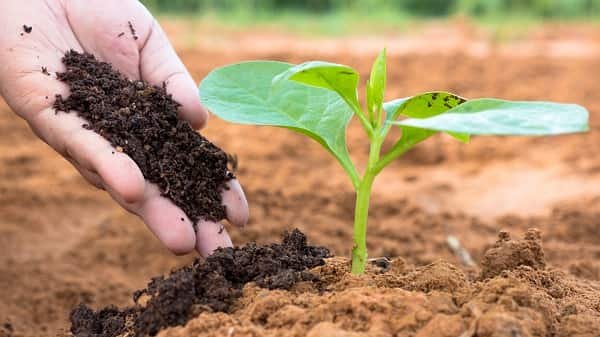
Advantages of a Vermicompost Business
1. Growing Market Demand
One of the biggest advantages of the vermicompost business is the rising demand for organic fertilizers. Farmers and gardeners are increasingly shifting toward sustainable farming practices that improve soil health without harming the environment.
Major customers include:
- Organic farmers
- Commercial farms
- Nurseries
- Garden centers
- Horticulture businesses
- Landscaping companies
- Home gardeners
- Agricultural cooperatives
- Greenhouses
- Online gardening stores
This diverse customer base provides continuous business opportunities.
2. Environmentally Friendly Business
Vermicomposting converts biodegradable waste into valuable organic fertilizer, helping reduce landfill waste and environmental pollution. It also promotes recycling and supports a circular economy.
This makes the business both profitable and environmentally responsible.
3. High Profit Potential
A well-managed vermicompost business can generate attractive profit margins due to the relatively low production cost and increasing demand for organic fertilizers. Entrepreneurs can further improve profitability by selling value-added products such as vermiwash and earthworms.
4. Multiple Revenue Streams
Besides vermicompost, businesses can earn income from:
- Vermiwash (liquid organic fertilizer)
- Earthworms for composting
- Organic potting mixtures
- Soil conditioners
- Garden kits
- Organic farming consultation
- Compost starter kits
Diversification helps increase overall business revenue.
5. Low Raw Material Cost
The primary raw materials used in vermicomposting include:
- Cow dung
- Farm waste
- Vegetable waste
- Fruit waste
- Dry leaves
- Crop residues
- Kitchen waste
- Agricultural by-products
These materials are widely available and often inexpensive, reducing production costs.
6. Scalable Business Model
Entrepreneurs can start a vermicompost business with a small composting unit and gradually expand production by increasing the number of compost beds, introducing mechanized processing, and supplying larger agricultural markets.
7. Government Support
Many governments encourage organic farming, waste recycling, and sustainable agriculture through awareness programs, training, and agricultural development initiatives. While financial assistance varies by region, the overall policy environment often supports eco-friendly businesses like vermicomposting.
8. Export Opportunities
Organic fertilizers are gaining popularity in international markets. Businesses that maintain consistent quality and meet export standards may find opportunities to supply vermicompost to overseas buyers.
Disadvantages of a Vermicompost Business
1. Longer Production Cycle
Vermicomposting is a natural biological process that takes several weeks to produce finished compost. Compared to chemical fertilizer manufacturing, production requires more time and careful monitoring.
2. Climate Sensitivity
Earthworms perform best within specific temperature and moisture ranges. Extremely hot, cold, or dry conditions can reduce composting efficiency and affect worm health.
Proper environmental management is essential.
3. Quality Control Challenges
The nutrient content of vermicompost depends on the quality of raw materials and the composting process. Businesses must maintain consistent production methods to deliver reliable products.
4. Storage Requirements
Finished vermicompost should be stored in dry, shaded, and well-ventilated conditions to preserve its quality. Excessive moisture or direct sunlight can reduce product effectiveness.
5. Market Competition
The organic fertilizer market includes numerous local compost producers, vermicompost manufacturers, and established agricultural brands. New businesses need to compete through quality, packaging, customer service, and competitive pricing.
6. Pest and Disease Management
Poor compost management can attract insects, rodents, or harmful organisms. Maintaining cleanliness, proper moisture levels, and quality raw materials helps minimize these risks.
7. Transportation Costs
Organic fertilizers are bulky and heavy, making transportation an important operating expense. Efficient logistics planning helps reduce delivery costs and improve profitability.
8. Customer Education
Some farmers remain unfamiliar with vermicompost application techniques and long-term benefits. Businesses may need to provide product demonstrations, usage guidance, and educational materials to encourage adoption.
Tips for Building a Successful Vermicompost Business
Success in the vermicompost business depends on product quality, efficient production, and customer trust. Consider these practical strategies:
- Use healthy earthworm species suitable for vermicomposting.
- Source clean and biodegradable raw materials.
- Maintain proper moisture, temperature, and aeration during composting.
- Conduct regular quality testing of finished compost.
- Use durable and informative packaging.
- Build relationships with farmers, nurseries, and agricultural cooperatives.
- Sell products through online marketplaces and gardening stores.
- Offer vermiwash and other value-added organic products.
- Participate in agricultural exhibitions and organic farming events.
- Educate customers on the benefits and proper application of vermicompost.
Is a Vermicompost Business Profitable?
Yes. A vermicompost business can be highly profitable because the demand for organic fertilizers continues to increase with the growth of sustainable agriculture and home gardening. Revenue opportunities include retail sales, wholesale supply, institutional contracts, online sales, export opportunities, and value-added products such as vermiwash and earthworms.
Profitability depends on efficient production, consistent compost quality, competitive pricing, effective marketing, and a reliable distribution network. Businesses that maintain high-quality standards and build strong customer relationships are more likely to achieve long-term success.
Conclusion
The vermicompost business remains one of the most attractive opportunities in the organic agriculture sector in 2026. Rising awareness of soil health, increasing adoption of organic farming, and growing demand for environmentally friendly fertilizers continue to support market growth.
Although entrepreneurs must manage challenges such as longer production cycles, climate sensitivity, quality control, storage requirements, and customer education, the business offers several advantages, including growing demand, low raw material costs, multiple revenue streams, scalability, environmental benefits, and export opportunities. Entrepreneurs who prioritize product quality, sustainable production, and customer satisfaction can build a profitable and environmentally responsible vermicompost business.
FAQs
Q. What are the main advantages of a vermicompost business?
The major advantages include growing market demand, environmental sustainability, high profit potential, multiple revenue streams, low raw material costs, scalability, government support for organic farming, and export opportunities.
Q. What are the disadvantages of a vermicompost business?
Common disadvantages include longer production cycles, climate sensitivity, quality control challenges, storage requirements, market competition, pest management issues, transportation costs, and the need to educate customers about vermicompost usage.
Q. Is a vermicompost business profitable in 2026?
Yes. The increasing demand for organic fertilizers among farmers, gardeners, and horticulture businesses makes the vermicompost business profitable when supported by efficient production, consistent quality, effective marketing, and strong distribution.
Q. What products can a vermicompost business sell?
A vermicompost business can sell vermicompost, vermiwash, compost starter kits, earthworms for composting, organic potting mixes, soil conditioners, and other organic gardening products.
Q. What equipment is required to start a vermicompost business?
Typical equipment includes compost beds or tanks, shredders, sieving machines, moisture control systems, weighing scales, packaging machines, storage facilities, wheelbarrows, and basic quality testing tools. The equipment required depends on the production capacity and level of automation.
Q. How can a vermicompost business attract more customers?
Businesses can attract customers by producing high-quality organic compost, maintaining competitive pricing, offering attractive packaging, providing educational support to farmers and gardeners, partnering with nurseries and agricultural dealers, selling through online platforms, participating in agricultural exhibitions, and introducing value-added products such as vermiwash and earthworms.