







The pickle making business is one of the most profitable ventures in the food processing industry. Pickles have been a staple in households for generations, and their popularity continues to grow due to changing consumer preferences, expanding retail markets, and the increasing demand for authentic homemade flavors. From traditional recipes to modern gourmet varieties, pickles are widely consumed alongside meals, making them a product with year-round demand.
In 2026, the pickle industry offers excellent opportunities for entrepreneurs because consumers are looking for hygienically prepared, preservative-free, and premium-quality food products. Small businesses can start from home with limited investment and gradually expand into commercial production by supplying supermarkets, grocery stores, restaurants, online marketplaces, and export markets.
However, like every food manufacturing business, the pickle making business has both advantages and disadvantages. Understanding these factors can help aspiring entrepreneurs make informed decisions and develop a successful long-term business strategy.
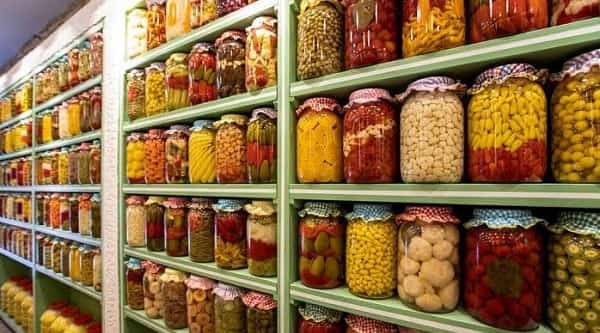
Advantages of a Pickle Making Business
1. Consistent Market Demand
One of the biggest advantages of the pickle making business is the steady demand throughout the year. Pickles are consumed regularly in many households and are also widely used by restaurants, hotels, catering companies, and food service businesses.
The growing popularity of regional, organic, and gourmet pickles has further expanded the market.
2. Low to Moderate Startup Investment
A pickle making business can be started with relatively low investment, especially on a home-based scale. Basic requirements include:
- Food-grade mixing containers
- Cutting tools
- Storage jars or tanks
- Packaging materials
- Weighing equipment
- Sealing machine
As demand increases, entrepreneurs can invest in automated processing and packaging equipment.
3. High Profit Potential
Raw ingredients such as fruits, vegetables, spices, edible oils, vinegar, and salt are generally affordable. After processing, packaging, and branding, pickles can be sold at significantly higher prices, resulting in attractive profit margins.
Premium, organic, and specialty pickles often command even better prices.
4. Wide Product Variety
A pickle making business can manufacture numerous products, including:
- Mango pickle
- Lemon pickle
- Mixed vegetable pickle
- Garlic pickle
- Green chili pickle
- Ginger pickle
- Carrot pickle
- Amla (Indian gooseberry) pickle
- Stuffed red chili pickle
- Organic pickles
- Low-oil pickles
- Regional specialty pickles
Offering multiple flavors helps attract different customer preferences.
5. Long Shelf Life
Properly prepared and packaged pickles generally have a long shelf life when stored under recommended conditions. This allows manufacturers to maintain inventory, supply wholesalers, and manage seasonal production efficiently.
6. Multiple Sales Channels
Entrepreneurs can sell pickles through various channels, including:
- Grocery stores
- Supermarkets
- Local retail shops
- Online marketplaces
- Company websites
- Farmers’ markets
- Food exhibitions
- Restaurants and hotels
- Export distributors
Diversified sales channels reduce dependence on a single market.
7. Branding Opportunities
Consumers often remain loyal to pickle brands that consistently deliver authentic taste and quality. Attractive packaging, regional recipes, and premium ingredients help businesses establish a strong market identity.
8. Business Expansion Potential
As the business grows, entrepreneurs can introduce complementary products such as chutneys, sauces, spice mixes, ready-to-eat foods, and gourmet condiments. Expanding into exports and private-label manufacturing also creates additional revenue opportunities.
Disadvantages of a Pickle Making Business
1. Strict Quality Control
Food quality is critical in the pickle business. Improper preparation, contamination, or incorrect preservation methods may reduce shelf life and affect customer satisfaction. Maintaining hygiene throughout production is essential.
2. Raw Material Price Fluctuations
The prices of fruits, vegetables, spices, edible oils, and packaging materials may vary depending on seasonal availability and market conditions. These fluctuations can affect production costs and profitability.
3. Competition
The pickle industry includes numerous local producers as well as well-established national brands. New businesses must compete through superior taste, quality, packaging, pricing, and customer service.
4. Food Safety Compliance
Food businesses must comply with food safety regulations, labeling requirements, hygiene standards, and licensing procedures applicable in their region. Regular compliance helps maintain customer trust and legal operations.
5. Packaging Costs
Modern consumers expect secure, leak-proof, and attractive packaging. Glass jars, food-grade plastic containers, labeling, and sealing materials increase production costs but are essential for product quality and branding.
6. Inventory and Storage Management
Finished products should be stored under suitable conditions to preserve flavor and quality. Improper storage can lead to spoilage, leakage, or reduced shelf life.
7. Marketing Challenges
Producing delicious pickles alone does not guarantee success. Businesses must invest in branding, digital marketing, retailer partnerships, and customer engagement to stand out in a competitive market.
8. Changing Consumer Preferences
Many consumers now seek healthier food options with lower salt, less oil, organic ingredients, or preservative-free recipes. Manufacturers should adapt their product range to meet evolving customer expectations.
Tips for Building a Successful Pickle Making Business
A successful pickle business requires consistent quality and effective marketing. Consider these best practices:
- Use fresh, high-quality ingredients from reliable suppliers.
- Follow strict hygiene and food safety practices during production.
- Standardize recipes to maintain consistent taste and quality.
- Invest in attractive, food-grade, leak-proof packaging.
- Offer traditional as well as innovative pickle varieties.
- Build a recognizable brand with professional labeling.
- Promote products through social media and e-commerce platforms.
- Partner with local retailers, supermarkets, and restaurants.
- Collect customer feedback and improve products continuously.
- Explore export opportunities for regional specialty pickles.
Is a Pickle Making Business Profitable?
Yes. A pickle making business can be highly profitable because pickles are widely consumed, have strong market demand, and offer excellent opportunities for value addition. Entrepreneurs can achieve attractive profit margins through premium packaging, branding, and product diversification.
Businesses that focus on quality ingredients, food safety, customer satisfaction, and effective distribution are more likely to enjoy long-term success. Expanding into online sales, exports, and specialty product lines can further increase profitability.
Conclusion
The pickle making business remains one of the most attractive food processing opportunities in 2026. Consistent consumer demand, low to moderate startup investment, product diversification, and multiple sales channels make it suitable for both home-based entrepreneurs and commercial manufacturers.
However, success depends on maintaining product quality, complying with food safety regulations, managing raw material costs, and building a trusted brand. With careful planning, innovative recipes, attractive packaging, and strong marketing, a pickle making business can become a profitable and sustainable enterprise.
FAQs
Q. What are the main advantages of a pickle making business?
The major advantages include consistent market demand, low to moderate startup investment, high profit potential, wide product variety, long shelf life, multiple sales channels, branding opportunities, and business expansion potential.
Q. What are the disadvantages of a pickle making business?
Common disadvantages include strict quality control requirements, fluctuating raw material prices, market competition, food safety compliance, packaging costs, storage management, marketing challenges, and changing consumer preferences.
Q. Is a pickle making business profitable in 2026?
Yes. The growing demand for homemade, regional, organic, and premium pickles makes this business profitable when supported by high-quality products, effective branding, and efficient distribution.
Q. What types of pickles can I manufacture?
You can produce mango, lemon, garlic, mixed vegetable, green chili, ginger, carrot, amla, stuffed chili, organic, low-oil, and regional specialty pickles, along with customized recipes for different markets.
Q. What licenses are required to start a pickle making business?
Requirements vary by country and region, but food businesses typically need food safety registration or licensing, business registration, applicable tax registration, and compliance with food labeling and packaging regulations.
Q. How can a pickle making business attract more customers?
Businesses can attract customers by offering authentic flavors, maintaining excellent food quality, using attractive packaging, promoting products through social media, selling on e-commerce platforms, partnering with retailers, providing tasting samples, and encouraging positive customer reviews.