







The mineral water plant business is one of the fastest-growing sectors in the beverage industry. Increasing health awareness, rapid urbanization, concerns about water quality, and the growing demand for safe drinking water have significantly boosted the consumption of packaged mineral water. Consumers today prefer purified and hygienically packed drinking water for homes, offices, schools, hospitals, hotels, restaurants, and travel, making this business a lucrative opportunity for entrepreneurs.
The packaged drinking water market continues to expand due to population growth, tourism, hospitality, and rising disposable incomes. Advances in water purification technologies and improved distribution networks have also made it easier for businesses to enter the market. However, like every manufacturing venture, the mineral water plant business has both advantages and disadvantages.
Understanding these factors can help entrepreneurs evaluate the investment, operational challenges, and long-term profitability before starting a mineral water manufacturing unit.
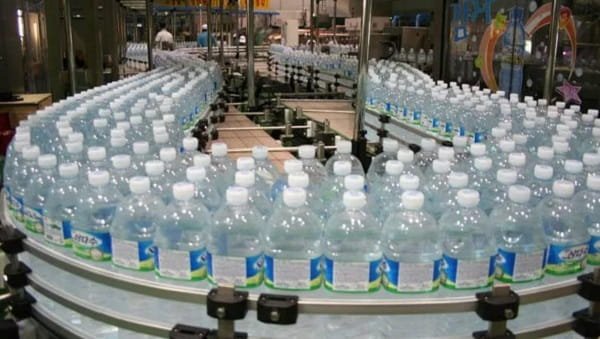
Advantages of a Mineral Water Plant Business
1. Growing Market Demand
One of the biggest advantages of the mineral water plant business is the continuous demand for safe drinking water. Packaged water has become a daily necessity for many consumers, particularly in urban areas and locations where access to clean drinking water is limited.
Major customers include:
- Retail stores
- Supermarkets
- Hotels
- Restaurants
- Cafés
- Hospitals
- Schools and colleges
- Corporate offices
- Event organizers
- Travel and tourism companies
This wide customer base creates year-round business opportunities.
2. Recurring Consumer Demand
Packaged drinking water is a fast-moving consumer product (FMCG) that people purchase regularly. Unlike seasonal products, mineral water enjoys consistent demand throughout the year, providing businesses with stable sales.
3. High Profit Potential
A well-managed mineral water plant can generate attractive profits through efficient production, quality assurance, and an effective distribution network. Businesses can further increase earnings by offering different bottle sizes and premium packaged water products.
4. Multiple Product Categories
Manufacturers can expand their offerings by producing:
- 250 ml water bottles
- 500 ml water bottles
- 1-liter bottles
- 2-liter bottles
- 5-liter cans
- 20-liter water jars
- Premium bottled water
- Sparkling water
- Customized bottled water for events
- Bulk packaged drinking water
A diversified product portfolio helps serve various customer segments.
5. Easy Distribution Opportunities
Mineral water can be sold through multiple channels, including:
- Retail stores
- Wholesale distributors
- Supermarkets
- E-commerce platforms
- Hotels and restaurants
- Corporate supply contracts
- Home delivery services
- Educational institutions
A strong distribution network supports business growth.
6. Scalable Business Model
Entrepreneurs can begin with a small production unit serving local markets and gradually expand production capacity, introduce new packaging options, and enter regional or national markets as demand increases.
7. Export Opportunities
Many countries import bottled drinking water to meet consumer demand. Businesses that maintain international quality standards and comply with export regulations can access overseas markets.
8. Long-Term Industry Growth
Increasing awareness of hygiene, expanding urban populations, tourism growth, and rising demand for packaged beverages continue to support long-term growth in the bottled water industry.
Disadvantages of a Mineral Water Plant Business
1. High Initial Investment
Setting up a mineral water manufacturing plant requires substantial investment in:
- Water purification systems
- Reverse osmosis (RO) equipment
- Filtration units
- Bottling machines
- Filling and capping machines
- Labeling machines
- Packaging equipment
- Storage facilities
- Laboratory testing equipment
The investment depends on production capacity and automation.
2. Regulatory Compliance
Manufacturers must comply with food safety regulations, drinking water quality standards, packaging requirements, environmental regulations, workplace safety rules, and applicable licensing requirements. Compliance varies by country and region.
3. Strong Market Competition
The packaged drinking water industry includes numerous national, regional, and local brands. New businesses must compete through product quality, pricing, branding, and efficient distribution.
4. Raw Material and Packaging Costs
Plastic bottles, bottle caps, labels, cartons, and packaging materials account for a significant portion of production costs. Fluctuations in raw material prices can affect overall profitability.
5. Dependence on Water Quality
The quality of the source water directly influences production efficiency and treatment requirements. Plants may need advanced purification systems if the raw water contains impurities.
6. Transportation Costs
Water is relatively heavy, making transportation an important operating expense. Fuel prices, vehicle maintenance, and logistics planning directly affect profit margins.
7. Environmental Concerns
Plastic bottle waste is a growing environmental issue. Consumers and regulators increasingly expect businesses to adopt recyclable packaging, reduce plastic usage, and implement sustainable manufacturing practices.
8. Equipment Maintenance
Water purification systems, filling machines, compressors, conveyors, and packaging equipment require regular maintenance to ensure product quality and uninterrupted production.
Tips for Building a Successful Mineral Water Plant Business
Success in the bottled water industry depends on quality, efficiency, and customer trust. Consider these practical strategies:
- Invest in advanced water purification and quality testing systems.
- Use food-grade packaging materials.
- Maintain strict hygiene throughout the manufacturing process.
- Conduct regular laboratory testing to ensure water quality.
- Build a strong distribution network with retailers and wholesalers.
- Offer multiple bottle sizes to meet different customer needs.
- Develop eco-friendly packaging initiatives where practical.
- Invest in branding and digital marketing to improve market visibility.
- Ensure timely deliveries through efficient logistics.
- Continuously monitor customer feedback and improve product quality.
Is a Mineral Water Plant Business Profitable?
Yes. A mineral water plant business can be highly profitable because packaged drinking water is an essential product with consistent consumer demand. Revenue opportunities include retail sales, wholesale distribution, institutional supply contracts, home delivery services, private-label manufacturing, and exports.
Profitability depends on production efficiency, quality control, competitive pricing, effective distribution, and strong brand recognition. Businesses that maintain high-quality standards and reliable customer service often achieve long-term success.
Conclusion
The mineral water plant business remains one of the most promising manufacturing opportunities in 2026. Rising demand for safe drinking water, expanding urban populations, growing tourism, and increased health awareness continue to drive market growth.
Although the business requires significant investment, regulatory compliance, quality assurance, and efficient logistics, its advantages—including recurring demand, high profit potential, scalable operations, multiple product categories, and long-term market growth—make it an attractive venture. Entrepreneurs who prioritize product quality, operational efficiency, and customer satisfaction can build a profitable and sustainable mineral water manufacturing business.
FAQs
Q. What are the main advantages of a mineral water plant business?
The major advantages include growing market demand, recurring consumer purchases, high profit potential, multiple product categories, easy distribution opportunities, business scalability, export potential, and long-term industry growth.
Q. What are the disadvantages of a mineral water plant business?
Common disadvantages include high initial investment, regulatory compliance, strong competition, fluctuating packaging costs, dependence on source water quality, transportation expenses, environmental concerns related to plastic waste, and equipment maintenance requirements.
Q. Is a mineral water plant business profitable in 2026?
Yes. The steady demand for safe packaged drinking water makes this business profitable when supported by efficient production, strict quality control, strong distribution channels, and effective branding.
Q. What products can a mineral water plant manufacture?
A mineral water plant can produce bottled drinking water in various sizes such as 250 ml, 500 ml, 1-liter, 2-liter, 5-liter, and 20-liter containers. Some businesses also manufacture premium bottled water, sparkling water, customized event bottles, and bulk packaged drinking water.
Q. What machinery is required to start a mineral water plant?
Typical equipment includes water purification systems, reverse osmosis (RO) units, UV sterilizers, ozone generators, filtration systems, storage tanks, bottle rinsing machines, filling and capping machines, labeling machines, shrink-wrapping equipment, conveyors, air compressors, and laboratory testing instruments.
Q. How can a mineral water plant attract more customers?
Businesses can attract customers by offering consistently high-quality drinking water, maintaining competitive pricing, building a reliable distribution network, supplying retailers and institutions, providing home and office delivery services, using attractive packaging, investing in digital marketing, and emphasizing hygiene, safety, and quality certifications in their branding.