







The goat milk business has become one of the fastest-growing opportunities in the dairy industry. Increasing consumer awareness about the nutritional value of goat milk, growing demand for specialty dairy products, and rising interest in natural and easily digestible foods have contributed to the expansion of this market. Goat milk is widely consumed by health-conscious individuals and is also used to produce value-added products such as cheese, yogurt, butter, soap, and skincare products.
In 2026, the goat milk industry continues to grow due to changing dietary preferences, increasing demand for premium dairy products, and expanding opportunities in both domestic and international markets. Entrepreneurs can start a goat milk business on a small farm or develop a large commercial dairy operation. However, like every agricultural business, goat milk production has both advantages and disadvantages.
Understanding these factors will help entrepreneurs make informed decisions before investing in a goat milk business.
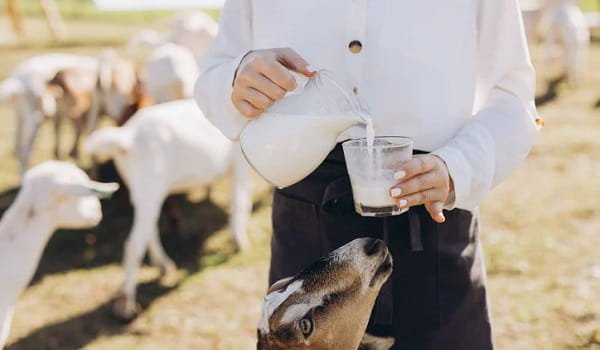
Advantages of a Goat Milk Business
1. Growing Market Demand
One of the biggest advantages of the goat milk business is the increasing demand for nutritious and specialty dairy products. Many consumers prefer goat milk because it is easier to digest than traditional cow milk and contains several essential nutrients.
Major customers include:
- Individual households
- Dairy product manufacturers
- Health food stores
- Organic food retailers
- Supermarkets
- Hotels
- Restaurants
- Cafés
- Pharmaceutical companies
- Cosmetic manufacturers
This broad customer base creates multiple income opportunities.
2. Premium Selling Price
Goat milk often sells at a higher price than regular cow milk due to its specialized market and relatively lower supply. Premium pricing can improve profitability for producers who maintain high-quality standards.
3. Multiple Revenue Streams
The business offers several opportunities beyond selling fresh milk. Entrepreneurs can produce:
- Goat cheese
- Goat yogurt
- Goat butter
- Goat milk powder
- Goat milk ice cream
- Flavored goat milk
- Goat milk soap
- Goat milk skincare products
- Organic dairy products
Diversifying products helps increase overall revenue.
4. Rising Health Awareness
Consumers increasingly seek natural, nutritious, and minimally processed foods. Goat milk contains protein, calcium, potassium, and essential vitamins, making it popular among many health-conscious buyers.
Growing awareness supports long-term market growth.
5. Suitable for Small and Large Farms
A goat milk business can begin with a small herd and gradually expand into commercial dairy farming. Entrepreneurs can increase production by improving breeding programs, farm management, and processing facilities.
6. Lower Space Requirements
Compared to many large dairy animals, goats generally require less housing space, making them suitable for farmers with limited land resources.
Proper housing and animal welfare practices remain essential.
7. Export Opportunities
The global demand for goat milk products continues to grow. Businesses producing high-quality dairy products that meet food safety and export standards may find opportunities in international markets.
8. Value Addition Improves Profitability
Processing fresh goat milk into cheese, yogurt, butter, powdered milk, or cosmetic products allows businesses to increase profit margins while reaching different customer segments.
Disadvantages of a Goat Milk Business
1. High Initial Investment
Starting a commercial goat milk farm requires investment in:
- Dairy goats
- Animal housing
- Milking equipment
- Feed storage facilities
- Water supply systems
- Cooling and storage equipment
- Milk processing equipment
- Veterinary care
- Farm infrastructure
The investment depends on herd size and production capacity.
2. Animal Health Management
Maintaining healthy goats requires regular veterinary care, vaccination, parasite control, balanced nutrition, and proper hygiene. Poor herd management can reduce milk production and increase operating costs.
3. Limited Milk Production Per Animal
Individual dairy goats generally produce less milk than dairy cows. Commercial profitability often depends on efficient herd management and selecting high-yield dairy breeds.
4. Feed Costs
Nutritious feed is essential for maintaining milk production and animal health. Rising feed prices can increase operating expenses and reduce profit margins.
5. Market Awareness Challenges
Although demand is growing, goat milk remains a niche product in many regions. Entrepreneurs may need to educate consumers about its nutritional benefits and unique characteristics.
6. Strict Food Safety Standards
Milk production requires excellent hygiene throughout milking, storage, transportation, and processing. Businesses must comply with food safety regulations, quality standards, and labeling requirements.
7. Perishable Product
Fresh goat milk has a limited shelf life and requires proper refrigeration, transportation, and inventory management to maintain quality and reduce waste.
8. Market Competition
The dairy industry includes established cow milk producers and growing specialty dairy brands. Goat milk businesses must compete through product quality, branding, customer education, and value-added products.
Tips for Building a Successful Goat Milk Business
Success in the goat milk industry depends on herd health, product quality, and customer trust. Consider these practical strategies:
- Select high-yield dairy goat breeds suitable for your climate.
- Maintain excellent hygiene during milking and processing.
- Provide balanced nutrition and clean drinking water.
- Follow regular veterinary care and vaccination schedules.
- Invest in efficient milk cooling and storage systems.
- Produce value-added dairy products to increase profitability.
- Build relationships with retailers, restaurants, and health food stores.
- Expand sales through online platforms and direct-to-consumer delivery.
- Educate customers about the nutritional benefits of goat milk.
- Maintain consistent product quality and attractive packaging.
Is a Goat Milk Business Profitable?
Yes. A goat milk business can be highly profitable because premium dairy products continue to gain popularity among health-conscious consumers. Revenue opportunities include fresh milk sales, value-added dairy products, skincare products, wholesale supply, retail distribution, and export markets.
Profitability depends on efficient herd management, quality breeding, proper animal nutrition, product diversification, strong marketing, and an effective distribution network. Businesses that consistently deliver safe, high-quality products are more likely to achieve long-term success.
Conclusion
The goat milk business remains one of the most promising opportunities in the specialty dairy industry in 2026. Growing consumer awareness, increasing demand for premium dairy products, expanding health food markets, and opportunities for value-added processing continue to support business growth.
Although entrepreneurs must manage challenges such as initial investment, animal health, feed costs, food safety compliance, and consumer education, the industry’s advantages—including premium pricing, multiple revenue streams, growing market demand, scalability, and export opportunities—make it an attractive venture. Entrepreneurs who prioritize herd management, product quality, innovation, and customer satisfaction can build a profitable and sustainable goat milk business.
FAQs
Q. What are the main advantages of a goat milk business?
The major advantages include growing market demand, premium selling prices, multiple revenue streams, increasing health awareness, suitability for both small and large farms, lower space requirements, export opportunities, and value-added product manufacturing.
Q. What are the disadvantages of a goat milk business?
Common disadvantages include high initial investment, animal health management requirements, lower milk production per animal compared to many dairy cows, feed costs, limited market awareness in some regions, strict food safety standards, product perishability, and strong market competition.
Q. Is a goat milk business profitable in 2026?
Yes. The growing demand for specialty dairy products and premium pricing make the goat milk business profitable when supported by efficient herd management, quality products, value-added processing, effective marketing, and reliable distribution.
Q. What products can a goat milk business sell?
A goat milk business can sell fresh goat milk, goat cheese, yogurt, butter, milk powder, flavored milk, ice cream, goat milk soap, skincare products, and other specialty dairy products.
Q. What equipment is required to start a goat milk business?
Typical equipment includes goat housing, feeding systems, water supply equipment, milking machines or milking tools, milk cooling tanks, storage containers, milk testing equipment, pasteurization units (if processing milk), packaging equipment, and transportation facilities. The equipment required depends on the scale of the business.
Q. How can a goat milk business attract more customers?
Businesses can attract customers by producing high-quality milk, maintaining strict hygiene standards, offering value-added dairy products, educating consumers about goat milk's nutritional benefits, building partnerships with health food stores and retailers, selling through online channels, using attractive packaging, and providing reliable customer service.