






The death of a family member is emotionally overwhelming on its own. But along with grief, families often suddenly face financial responsibilities that they may not fully understand. One of the most stressful situations is discovering that the deceased person had an active loan.
Many legal heirs panic immediately and assume they personally inherit all the debt. Others ignore lender notices completely because they are unsure about the legal process. In reality, loan settlement after death depends on several factors such as the type of loan, existence of insurance coverage, co-borrowers, guarantors, and the value of inherited assets.
In India, banks and financial institutions do not simply “erase” every loan after death. At the same time, family members are not automatically forced to repay loans from their own personal income unless they are legally connected to the loan.
Understanding the correct procedure helps legal heirs avoid confusion, harassment, delays, and unnecessary financial mistakes during an already difficult period.
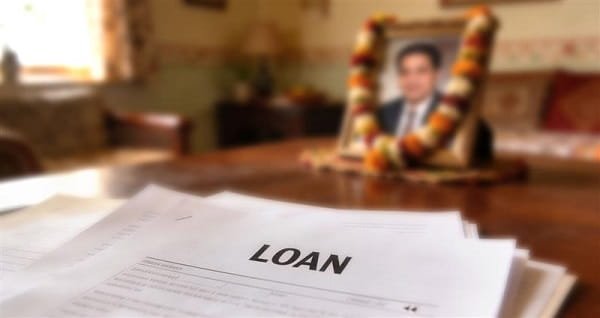
What Happens to a Loan After the Borrower’s Death?
A loan does not automatically disappear after death.
The lender still has the right to recover the outstanding amount through:
- Loan insurance
- Co-borrowers
- Guarantors
- Assets pledged as collateral
- Estate of the deceased borrower
However, the liability structure depends on the loan type and legal arrangement.
First Step: Inform the Lender Immediately
The family or legal heirs should inform the bank or financial institution as soon as possible.
Delaying communication can lead to:
- Penalty charges
- Recovery notices
- Credit complications
- Legal escalation
Most lenders require:
- Death certificate
- Loan account details
- Identity proof of legal heirs
Early communication usually helps create a smoother settlement process.
Collect All Loan Information
Families should first understand:
- Total outstanding amount
- EMI status
- Loan type
- Insurance coverage
- Co-borrower details
- Guarantor involvement
Many people are unaware of all existing loans because financial records are often scattered.
Important documents include:
- Loan agreement
- EMI statements
- Insurance papers
- Bank notices
- Collateral documents
Check if Loan Insurance Exists
Many home loans, personal loans, and vehicle loans are linked with credit life insurance or loan protection insurance.
If such insurance exists:
- The insurer may repay the outstanding loan partially or fully.
This can significantly reduce the burden on the family.
However, claims must usually be filed properly with:
- Death certificate
- Policy documents
- Medical records if required
Families should not assume the bank will automatically process insurance claims without follow-up.
Role of Co-Borrowers
If the loan has a co-borrower:
- The surviving co-borrower usually remains legally responsible for repayment.
This is common in:
- Home loans
- Joint business loans
- Family property loans
For example:
- If a husband and wife jointly take a home loan and one dies, the surviving borrower generally continues repayment obligations.
Role of Guarantors
If there is a guarantor:
- The lender may seek recovery from the guarantor if repayments stop.
Guarantors legally agree to take responsibility if the primary borrower defaults.
Many people underestimate the seriousness of becoming a guarantor.
What Happens to Secured Loans?
Secured loans are backed by collateral such as:
- House
- Car
- Gold
- Property
- Investments
If repayment stops:
- The lender may recover dues by selling the pledged asset.
Home Loan Example
If EMIs remain unpaid and no insurance exists, the lender may initiate recovery proceedings against the property.
Vehicle Loan Example
The lender may repossess the vehicle.
What Happens to Unsecured Loans?
Unsecured loans include:
- Personal loans
- Credit cards
- Consumer loans
These do not have direct collateral.
Recovery may happen through:
- Insurance claims
- Estate assets of the deceased
However, legal heirs are generally not personally liable from their own independent income unless:
- They are co-borrowers
- They are guarantors
or they inherit assets from the deceased estate.
Are Legal Heirs Personally Liable?
This is one of the biggest misconceptions.
In general:
- Legal heirs are not automatically responsible for paying loans from their own personal savings or salary.
However:
- Liability may extend to the value of assets inherited from the deceased.
For example:
- If heirs inherit property worth ₹20 lakh and the deceased had unpaid debts, creditors may claim recovery from the estate value.
Procedure for Legal Heirs to Close the Loan
Step 1: Obtain Death Certificate
Multiple certified copies should be collected because banks and insurers usually require them.
Step 2: Inform the Bank
Submit:
- Death certificate
- Borrower details
- Relationship proof
Request the outstanding loan statement.
Step 3: Check Insurance Coverage
Verify whether:
- Loan insurance
- Life insurance
- Employer insurance
can help repay the liability.
Step 4: Understand Liability Structure
Clarify:
- Co-borrower responsibility
- Guarantor obligations
- Secured asset status
Step 5: Decide Settlement Method
Possible outcomes include:
- Insurance settlement
- Continuing EMIs
- One-time settlement
- Asset sale
- Loan restructuring
Step 6: Obtain Loan Closure Certificate
After repayment:
- Collect No Due Certificate
- Obtain lien removal confirmation
- Ensure CIBIL records are updated
This step is extremely important.
What Happens to Mortgaged Property?
For home loans:
- Ownership transfer and succession procedures may continue separately from the loan process.
If heirs wish to keep the property:
- They may continue EMIs or refinance the loan.
If repayment becomes impossible:
- Selling the property voluntarily may sometimes reduce financial stress compared to forced recovery action.
Emotional and Financial Challenges
Families often struggle because:
- They do not know account details
- Passwords are unavailable
- Insurance documents are missing
- Loan obligations were never discussed
This is why financial transparency within families is important.
Importance of Financial Planning Before Death
Good financial planning can greatly reduce family stress later.
Important steps include:
- Maintaining nominee records
- Buying adequate life insurance
- Informing family about liabilities
- Organizing financial documents
- Avoiding excessive debt
Debt management is also part of responsible estate planning.
Common Mistakes Families Make
Ignoring Bank Communication
Avoiding calls and notices usually worsens the situation.
Assuming Loans Automatically End
Not all loans disappear after death.
Missing Insurance Claims
Families often fail to claim linked loan insurance on time.
Not Taking Written Closure Proof
Verbal confirmation is never enough.
Panic Selling Assets
Families should first understand legal rights before taking rushed decisions.
Final Thoughts
Handling a loan after a death is emotionally difficult, but understanding the legal and financial process helps families navigate the situation more calmly.
The most important thing to remember is this:
Legal heirs do not automatically inherit personal debt in every situation. Loan recovery depends on contracts, insurance, collateral, and inherited assets.
Clear communication with lenders, proper documentation, and awareness of legal rights can prevent unnecessary confusion and financial pressure.
In many cases, good financial planning done before death becomes one of the greatest gifts a person leaves behind for their family.
FAQs
Q: Does a loan automatically close after death?
A: No. The lender may recover dues through insurance, collateral, co-borrowers, guarantors, or inherited estate assets.
Q: Are family members personally responsible for repayment?
A: Usually not, unless they are co-borrowers, guarantors, or inherit estate assets subject to debt recovery.
Q: What happens if the loan had insurance?
A: The insurance company may repay the outstanding loan amount subject to policy conditions.
Q: Can banks seize property after the borrower’s death?
A: Yes, in secured loans like home loans, lenders may recover dues through collateral if repayments stop.
Q: What documents are needed after a borrower’s death?
Typically:
- Death certificate
- Identity proof
- Relationship proof
- Loan documents
Q: What is a No Due Certificate?
A: It is proof that the loan has been fully repaid and closed.
Q: Should legal heirs continue paying EMIs immediately?
A: They should first understand the loan structure, insurance coverage, and legal obligations before making long-term decisions.