







The potato chips manufacturing business is one of the most profitable segments in the snack food industry. With changing consumer lifestyles, increasing demand for convenient ready-to-eat snacks, and the rapid expansion of supermarkets and online grocery platforms, potato chips continue to enjoy strong demand across all age groups. Whether consumed as a quick snack, during travel, at social gatherings, or alongside meals, potato chips remain a popular packaged food product worldwide.
In 2026, the snack food market continues to grow due to urbanization, rising disposable incomes, innovative flavors, and expanding retail networks. Entrepreneurs entering the potato chips manufacturing business can serve local, regional, and even international markets with quality products and effective branding. However, like every food manufacturing venture, this business has both advantages and disadvantages.
Understanding these factors will help entrepreneurs evaluate the investment, operational requirements, and long-term growth potential before launching a potato chips manufacturing unit.
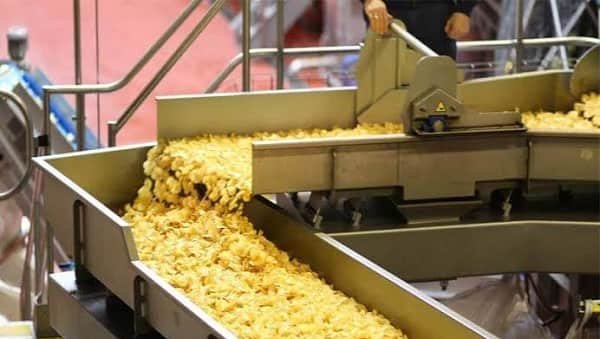
Advantages of a Potato Chips Manufacturing Business
1. Growing Market Demand
One of the biggest advantages of the potato chips manufacturing business is its consistent consumer demand. Potato chips are among the most widely consumed snack foods and are purchased throughout the year.
Major customers include:
- Supermarkets
- Grocery stores
- Convenience stores
- Wholesale distributors
- Cafés
- Restaurants
- Cinema halls
- Educational institutions
- E-commerce platforms
- Export buyers
This broad customer base creates continuous sales opportunities.
2. Recurring Consumer Purchases
Potato chips are fast-moving consumer goods (FMCG) that customers purchase repeatedly. New flavors, attractive packaging, and affordable pricing encourage repeat purchases, helping businesses maintain steady revenue.
3. High Profit Potential
A well-managed potato chips manufacturing business can generate healthy profit margins through efficient production, quality control, and effective branding. Premium products with unique flavors or healthier ingredients may command higher prices.
4. Wide Product Range
Manufacturers can diversify their product portfolio by offering:
- Classic salted potato chips
- Masala potato chips
- Barbecue-flavored chips
- Cheese-flavored chips
- Sour cream and onion chips
- Spicy potato chips
- Baked potato chips
- Kettle-cooked chips
- Low-fat potato chips
- Organic potato chips
A wide variety of products helps attract different customer segments.
5. Easy Distribution Channels
Potato chips can be sold through multiple sales channels, including:
- Retail stores
- Supermarkets
- Wholesale markets
- Online marketplaces
- Food distributors
- Cafeterias
- Hotels
- Airports
- Railway stations
- Vending machines
A strong distribution network increases market reach and business growth.
6. Scalable Business Model
Entrepreneurs can start with a small production unit supplying local retailers and gradually increase production capacity to serve larger markets. Automated machinery also allows businesses to expand efficiently as demand grows.
7. Export Opportunities
Packaged snack foods, including potato chips, have growing demand in international markets. Businesses that maintain food safety standards and produce high-quality products can explore export opportunities.
8. Innovation Opportunities
Manufacturers can introduce new flavors, healthier recipes, reduced-oil options, baked varieties, premium packaging, and limited-edition products to differentiate their brand and attract new customers.
Disadvantages of a Potato Chips Manufacturing Business
1. High Initial Investment
Commercial potato chips manufacturing requires investment in:
- Potato washing machines
- Peeling machines
- Slicing machines
- Frying equipment
- Oil filtration systems
- Flavoring machines
- Packaging machines
- Quality testing equipment
- Storage facilities
The investment depends on production capacity and automation.
2. Raw Material Price Fluctuations
The prices of potatoes, edible oil, seasonings, and packaging materials can fluctuate due to seasonal production, weather conditions, and market demand. These variations can affect manufacturing costs and profitability.
3. Strong Market Competition
The potato chips industry includes many well-established national and international brands. New businesses must compete through product quality, pricing, innovative flavors, packaging, and effective marketing.
4. Quality Control Requirements
Consumers expect potato chips to be fresh, crispy, flavorful, and consistent in quality. Manufacturers must maintain strict quality control to ensure customer satisfaction and protect brand reputation.
5. Food Safety Regulations
Manufacturers must comply with food safety standards, hygiene regulations, labeling requirements, packaging rules, and workplace safety guidelines. Compliance requirements vary depending on local regulations and export markets.
6. Shelf Life Management
Although potato chips generally have a longer shelf life than many fresh foods, improper packaging or storage can reduce product quality. Manufacturers should use moisture-resistant packaging and maintain appropriate storage conditions.
7. Marketing and Branding Costs
Launching a successful snack brand requires investment in attractive packaging, digital marketing, retailer partnerships, product promotions, and advertising campaigns.
Building customer loyalty takes consistent effort.
8. Rising Health Awareness
Some consumers are reducing their intake of fried snack foods due to health concerns. Manufacturers should consider offering baked, low-fat, or reduced-sodium options to meet changing consumer preferences.
Tips for Building a Successful Potato Chips Manufacturing Business
Success in the snack food industry depends on quality, innovation, and operational efficiency. Consider these practical strategies:
- Source high-quality potatoes from reliable suppliers.
- Use fresh cooking oil and maintain strict frying standards.
- Invest in modern processing and packaging equipment.
- Develop unique flavors that differentiate your products.
- Use attractive, durable packaging to preserve freshness.
- Build relationships with supermarkets, distributors, and retailers.
- Expand sales through online marketplaces and direct-to-consumer channels.
- Monitor customer feedback and introduce new product varieties.
- Follow strict hygiene and food safety practices throughout production.
- Explore healthier snack options to attract health-conscious consumers.
Is a Potato Chips Manufacturing Business Profitable?
Yes. A potato chips manufacturing business can be highly profitable because potato chips are among the most popular packaged snack foods. Revenue opportunities include retail sales, wholesale distribution, institutional supply, private-label manufacturing, exports, and online sales.
Profitability depends on production efficiency, quality control, competitive pricing, effective branding, reliable distribution, and product innovation. Businesses that consistently deliver fresh, flavorful products are more likely to achieve long-term success.
Conclusion
The potato chips manufacturing business remains one of the strongest opportunities in the food processing industry in 2026. Increasing consumer demand for convenient snacks, expanding retail networks, and growing online grocery sales continue to drive market growth.
Although entrepreneurs must manage challenges such as raw material price fluctuations, strong competition, food safety compliance, and marketing costs, the industry’s advantages—including recurring demand, high profit potential, scalable operations, export opportunities, and product innovation—make it an attractive business. Entrepreneurs who focus on quality, efficient production, and strong branding can build a profitable and sustainable potato chips manufacturing business.
FAQs
Q. What are the main advantages of a potato chips manufacturing business?
The main advantages include growing market demand, recurring consumer purchases, high profit potential, a wide product range, multiple distribution channels, business scalability, export opportunities, and continuous product innovation.
Q. What are the disadvantages of a potato chips manufacturing business?
Common disadvantages include high initial investment, fluctuating raw material prices, strong market competition, strict quality control requirements, food safety compliance, shelf life management, marketing expenses, and changing consumer preferences toward healthier snacks.
Q. Is a potato chips manufacturing business profitable in 2026?
Yes. The strong and consistent demand for packaged snack foods makes potato chips manufacturing a profitable business when supported by efficient production, quality products, effective branding, and a reliable distribution network.
Q. What products can a potato chips manufacturing company produce?
Manufacturers can produce classic salted chips, masala chips, barbecue chips, cheese-flavored chips, spicy chips, baked chips, kettle-cooked chips, low-fat chips, organic chips, and premium gourmet potato chips in various package sizes.
Q. What machinery is required to start a potato chips manufacturing business?
Typical equipment includes potato washing machines, peeling machines, slicing machines, blanching units, frying machines, oil filtration systems, seasoning drums, cooling conveyors, packaging machines, weighing systems, nitrogen flushing equipment, and quality testing instruments. The machinery required depends on production capacity and the level of automation.
Q. How can a potato chips manufacturing business attract more customers?
Businesses can attract customers by offering high-quality and flavorful products, introducing unique flavors, maintaining competitive pricing, using attractive packaging, building strong retail partnerships, selling through e-commerce platforms, ensuring consistent product quality, and investing in digital marketing and promotional campaigns.