







The pet care industry has experienced remarkable growth over the past decade, and pet grooming has become one of its most profitable segments. As more people consider pets to be part of their family, the demand for professional grooming services continues to increase. Pet owners are now willing to invest in regular grooming to maintain their pets’ hygiene, health, and appearance.
In 2026, the pet grooming business offers excellent opportunities for entrepreneurs who love animals and want to build a service-based business. Services such as bathing, hair trimming, nail clipping, ear cleaning, teeth brushing, flea treatments, and spa therapies have become increasingly popular. Many grooming businesses also generate additional income by selling pet accessories, food, toys, and grooming products.
However, like any business, a pet grooming business has both advantages and disadvantages. Understanding these factors can help aspiring entrepreneurs decide whether this business aligns with their skills, budget, and long-term goals.
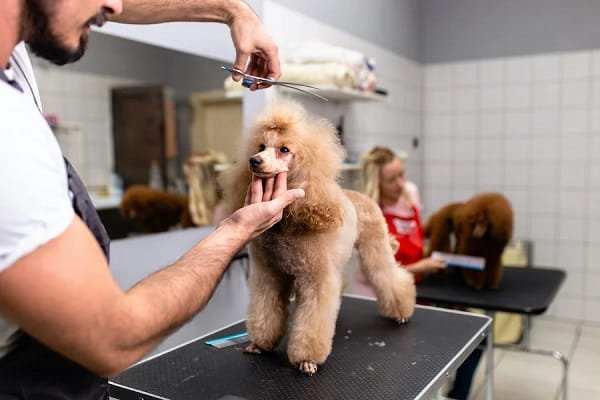
Advantages of a Pet Grooming Business
1. Growing Demand for Pet Care
One of the biggest advantages of starting a pet grooming business is the increasing number of pet owners. As pet adoption continues to rise, so does the demand for professional grooming services. Regular grooming is essential for maintaining pets’ health, making it a recurring need rather than a one-time service.
2. Recurring Customer Base
Unlike many businesses that rely on occasional purchases, pet grooming benefits from repeat customers. Most dogs and cats require grooming every four to eight weeks, creating a steady flow of repeat business and predictable revenue.
3. High Profit Potential
Pet grooming services generally offer attractive profit margins. Specialized services such as breed-specific styling, de-shedding treatments, medicated baths, luxury spa packages, and mobile grooming can significantly increase average revenue per customer.
4. Low Inventory Requirements
Compared to retail businesses, pet grooming requires relatively little inventory. Once grooming equipment such as clippers, dryers, grooming tables, shampoos, and brushes is purchased, ongoing inventory costs remain manageable.
5. Multiple Revenue Streams
A pet grooming business can expand beyond basic grooming by offering additional services, including:
- Pet bathing and styling
- Nail trimming and paw care
- Ear cleaning
- Teeth brushing
- Flea and tick treatments
- Pet spa packages
- Mobile grooming services
- Pet boarding referrals
- Retail sales of pet food, toys, shampoos, and accessories
Diversifying services helps increase profitability while meeting different customer needs.
6. Flexible Business Model
Entrepreneurs can choose from several business models depending on their budget and target market. Options include opening a grooming salon, operating a home-based grooming studio, launching a mobile pet grooming van, or partnering with veterinary clinics and pet stores.
7. Strong Customer Relationships
Pet owners often develop long-term relationships with trusted groomers. Providing consistent, gentle, and high-quality service encourages customer loyalty, referrals, and positive online reviews.
8. Industry Growth Opportunities
As the pet care industry expands, grooming businesses can scale by opening additional branches, hiring certified groomers, offering pet daycare, or launching grooming training programs.
Disadvantages of a Pet Grooming Business
1. High Initial Equipment Costs
Although startup costs are lower than many businesses, professional grooming equipment can be expensive. Quality clippers, dryers, hydraulic grooming tables, bathing stations, cages, and sanitation equipment require a significant initial investment.
2. Physical Demands
Pet grooming is physically demanding. Groomers spend long hours standing, lifting pets, bending, and handling animals of different sizes. Over time, this can lead to fatigue and physical strain.
3. Risk of Animal Injuries
Even well-trained pets can become anxious or aggressive during grooming. Groomers must know how to safely handle nervous animals to reduce the risk of scratches, bites, or accidental injuries.
4. Training and Skill Requirements
Professional grooming requires specialized skills. Groomers need knowledge of different breeds, coat types, grooming techniques, pet behavior, hygiene standards, and safe equipment handling. Continuous learning is important to stay updated with industry trends.
5. Seasonal Demand Fluctuations
Although grooming is a recurring service, customer demand may vary during holidays, extreme weather conditions, or economic downturns. Business owners should plan for seasonal changes in revenue.
6. Hygiene and Safety Responsibilities
Maintaining strict cleanliness and sanitation standards is essential. Grooming equipment must be disinfected regularly, and workspaces should remain clean to prevent infections and ensure the safety of pets.
7. Customer Expectations
Pet owners often have specific grooming preferences. Meeting expectations consistently requires clear communication, attention to detail, and patience. Unsatisfied customers may leave negative reviews that affect the business’s reputation.
8. Competition
The pet grooming market is becoming increasingly competitive, particularly in urban areas. New businesses must differentiate themselves through excellent service, convenient scheduling, skilled groomers, competitive pricing, and effective marketing.
Tips for Building a Successful Pet Grooming Business
To improve your chances of success, consider these practical strategies:
- Complete professional pet grooming training before starting.
- Invest in high-quality grooming equipment.
- Maintain excellent hygiene and sanitation standards.
- Create a comfortable, stress-free environment for pets.
- Offer online appointment booking for customer convenience.
- Build a strong presence on social media with before-and-after grooming photos.
- Encourage satisfied customers to leave online reviews.
- Introduce membership plans and loyalty programs.
- Sell premium pet care products to increase revenue.
- Stay updated on new grooming techniques and pet care trends.
Is a Pet Grooming Business Profitable?
Yes. A pet grooming business can be highly profitable due to recurring customer visits, growing pet ownership, and opportunities to offer premium services. Businesses that provide excellent customer service, maintain high grooming standards, and build strong client relationships often enjoy steady income and long-term growth.
Success depends on professional skills, effective marketing, customer satisfaction, and efficient business management.
Conclusion
The pet grooming business offers an exciting opportunity for animal lovers who want to build a rewarding and profitable career. Growing demand, repeat customers, flexible business models, and multiple revenue streams make it an attractive business in 2026. However, entrepreneurs should also consider challenges such as physical work, training requirements, equipment costs, and increasing competition.
With proper planning, professional expertise, quality service, and a customer-focused approach, a pet grooming business can become a successful and sustainable venture in the expanding pet care industry.
FAQs
Q. What are the main advantages of a pet grooming business?
The primary advantages include recurring customers, growing demand, high profit potential, multiple income streams, flexible business models, and strong customer loyalty.
Q. What are the disadvantages of a pet grooming business?
Common disadvantages include high equipment costs, physical demands, the need for professional training, hygiene responsibilities, handling difficult pets, and increasing competition.
Q. Is a pet grooming business profitable in 2026?
Yes. The increasing number of pet owners and the demand for regular grooming services make it a profitable business with strong long-term growth potential.
Q. Can I start a pet grooming business from home?
Yes. Many entrepreneurs begin with a home-based grooming setup, provided they comply with local licensing, zoning, and animal welfare regulations.
Q. What equipment is needed for a pet grooming business?
Basic equipment includes grooming tables, clippers, scissors, brushes, dryers, bathing tubs, shampoos, nail trimmers, towels, disinfectants, and safety restraints.
Q. How can a pet grooming business attract more customers?
Businesses can attract customers by providing high-quality grooming, offering convenient online booking, maintaining active social media profiles, collecting positive customer reviews, introducing loyalty programs, and partnering with local veterinary clinics and pet stores.