







Yes, a private parking space rental business can be legally allowed in India, but it depends on what type of parking space it is, who owns it, whether the space can be used commercially, and whether local permissions are required. Renting one owned garage to a neighbour is very different from running a public paid-parking lot from vacant land, a basement, a residential building, or a housing society parking area.
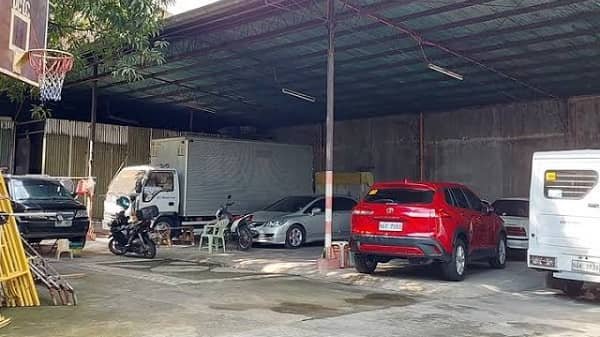
Private Parking vs Public Paid Parking
There are two common models. The first is a small private arrangement. For example, you own a garage, basement slot, driveway, or commercial parking space and rent it monthly to one person. This is usually easier, provided the property documents and local rules allow it.
The second model is a parking business. For example, you open vacant land, a basement, a shop-front area, or a building compound for paid parking by the public. This is more regulated. It may require municipal permission, trade licence, signage approval, GST compliance, fire safety arrangements, security, traffic-flow planning, and sometimes police or local-body NOC depending on the city.
Ownership or Legal Control Is the First Requirement
You cannot rent out a space unless you have the legal right to give that space to someone else. If you own a clearly demarcated garage or private parking area, your right is stronger. But if the parking area is part of common property, society property, public road, or government land, you cannot treat it like your private asset.
Under RERA, “common areas” include open parking areas, along with common basements, terraces, parks, play areas, and common storage spaces. This means open parking in a real estate project is generally treated as a shared/common area, not as a separate private unit that can be freely sold or commercially rented by one person.
Courts have also taken a strict view on apartment parking. In the Nahalchand Laloochand case, the court held that stilt parking spaces were part of common amenities and could not be treated as separate premises available for sale by the developer to flat buyers or outsiders.
So, if your “parking space” is only an allotted society parking slot, you should not rent it to outsiders as a business without checking society bye-laws, allotment rules, and written permission.
If You Are a Tenant, Check the Lease First
If the parking area is part of a rented house, shop, office, warehouse, or commercial property, the tenant cannot freely rent it further unless the lease permits it. Many rent agreements prohibit subletting, licensing, sharing, or third-party use without landlord consent.
The Model Tenancy Act framework says subletting is prohibited unless allowed through a supplementary agreement, and the landlord and tenant must inform the Rent Authority about the sub-tenancy within the prescribed time. It also recognises parting with possession without written landlord consent and misuse of premises as grounds for eviction.
So, if you are renting a commercial shop and want to rent the front area for paid parking, take written permission from the landlord. Oral permission can create future disputes.
Society and Apartment Parking Rules
In apartments and gated societies, parking is usually controlled by the society, association, builder-buyer agreement, allotment letter, or bye-laws. Even if one slot is allotted to you, it may be for your own use, not for commercial rental to outsiders.
A society can object if outsiders regularly enter the building for parking, security is affected, visitor parking is misused, common driveways are blocked, or residents are inconvenienced. Parking areas in residential complexes should not be converted into a public parking business without proper approval.
A safer arrangement is renting your allotted slot to another resident of the same society, but even that should be checked with the society rules. Renting it to outsiders is much more sensitive because it affects security, access control, and common-area management.
Municipal Permission for Paid Parking Lots
If you want to run a proper paid parking business, local municipal permission is very important. Cities regulate parking through municipal corporations, development authorities, traffic police, and local parking policies. Public parking lots may need approved entry and exit points, proper layout, rate display, attendants, lighting, CCTV, fire safety, and complaint mechanisms.
Private persons cannot simply occupy a public road, footpath, setback area, service lane, or vacant government land and start collecting parking fees. On-street parking is generally controlled by local authorities, not private individuals. Recent municipal parking policies in Indian cities show that paid parking is often operated through authorised agencies, tenders, or public-private arrangements, not through unauthorised private collection.
GST and Tax Compliance
A parking business is not just informal cash income. Parking lot services are recognised under GST service classification. CBIC’s service classification scheme lists “Parking lot services” under SAC 996743.
This means GST registration, invoicing, rate, and tax treatment should be checked depending on turnover, business structure, and whether the parking is part of commercial renting or parking-service operation. Income tax compliance is also necessary. If you collect cash daily and do not maintain records, the business can face tax problems.
Safety, Security, and Liability
A parking operator should clearly define responsibility. If a customer’s vehicle is stolen, damaged, flooded, scratched, or misused, disputes may arise. A board saying “parking at owner’s risk” may help, but it may not fully protect the operator if there is negligence.
A safe parking business should have CCTV, lighting, proper entry-exit control, receipts, rate charts, attendant verification, fire extinguishers where needed, insurance, and written terms. Basements and covered parking spaces also need ventilation, fire safety, and drainage checks.
Final Legal Position
A private parking space rental business is legally allowed only when the space is genuinely under your control and legally permitted for that use. Renting an owned garage or private commercial parking space is usually possible with a proper agreement. But using society common areas, allotted residential slots, public roads, rented property, or unauthorised vacant land for paid parking can create serious legal trouble.
In simple words, parking rental is legal when the space is private, permitted, safe, documented, and tax-compliant. It becomes illegal when you rent what you do not legally control or convert a restricted residential/common area into a public parking business.
FAQs
Q. Can I rent my personal parking space to someone else?
Yes, if it is truly your private parking space and society or property rules allow it. If it is only an allotted society slot, check the bye-laws first.
Q. Can I rent my apartment parking slot to outsiders?
This is risky. Societies may restrict outsiders due to security, common-area use, and visitor-management issues. Written society permission is safer.
Q. Can I start a paid parking business on vacant land?
Yes, but only if the land use permits it and you obtain required municipal, trade, safety, traffic, and tax approvals.
Q. Is GST applicable on parking income?
Parking lot services are classified under SAC 996743. GST applicability depends on turnover, registration status, and exact business structure, so it should be checked with a CA.