







Running a backyard composting or waste business can be legally permitted in India, but the answer depends on the scale, location, type of waste, and permissions taken from the local authority. Composting your own kitchen and garden waste at home is generally safe and encouraged. But collecting waste from other houses, restaurants, shops, markets, or societies for money is no longer just a household activity. It becomes a waste-handling or waste-processing business.
Home composting is usually allowed, but a commercial backyard waste business needs proper local permission, registration, pollution-control compliance, hygiene control, and zoning approval.
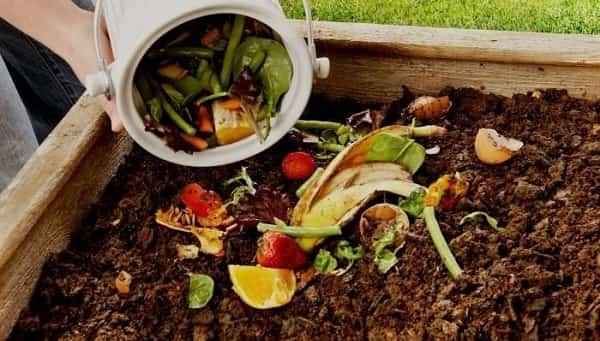
Home Composting vs Commercial Waste Business
If you are composting your own kitchen waste, dry leaves, garden waste, vegetable peels, fruit waste, and similar biodegradable material in your own backyard, it is usually legal, provided it does not create smell, flies, rodents, leachate, or nuisance for neighbours.
The Solid Waste Management Rules, 2026 apply to every domestic, institutional, commercial, and non-residential solid waste generator. They also clarify that industrial waste, hazardous waste, biomedical waste, e-waste, battery waste, and radioactive waste are governed by separate rules. So, a backyard composting setup should stay limited to ordinary wet waste and garden waste, not mixed or dangerous waste.
Segregation Is Legally Important
Waste cannot be mixed casually. Under the current SWM framework, every waste generator must segregate waste at source into four streams: wet waste, dry waste, sanitary waste, and special care waste. Waste generators must also hand over segregated waste to authorised waste pickers or collectors as directed by local authorities. They must not throw, burn, or bury solid waste on streets, public spaces, drains, or water bodies.
This matters for a backyard composting business because you should not accept mixed garbage. If people send plastic, diapers, sanitary waste, glass, medicine strips, batteries, chemicals, or food waste together, the business becomes unsafe and non-compliant. A composting business should accept only clean segregated wet waste and horticulture waste.
Local Body Permission and Registration
Once you collect waste from others and process it, you may be treated as a waste processing facility. The SWM Rules define a “facility” as any establishment where solid waste management processes such as segregation, recovery, storage, collection, recycling, processing, treatment, or safe disposal are carried out.
The operator of every waste processing facility has specific duties. The rules say such operators must register with the local body through the centralised online portal for wet waste, dry waste, sanitary waste, special care waste, horticulture waste processing, composting, waste-to-energy, and other covered facilities. They must also meet treatment standards, file returns, follow CPCB and government technical guidelines, and obtain authorisation through the local body from the State Pollution Control Board where required.
So, if your backyard setup is only for your own home, it is one thing. If you are charging monthly fees from flats, shops, hotels, or neighbours to process their waste, you should check registration and authorisation requirements with your municipal corporation, panchayat, or urban local body.
Residential Backyard Use Can Be Restricted
A major risk is land use. A backyard in a residential house may not automatically be approved for commercial waste processing. Even a small composting business can attract complaints if it causes smell, insects, wastewater, traffic, workers, collection vehicles, or dumping near the property.
Society bye-laws, municipal zoning rules, landlord conditions, and neighbourhood nuisance laws can all become relevant. A housing society or local authority may allow household composting but object to a paid waste business receiving waste from outside.
The safest location for a bigger setup is a properly approved composting site, farm land where allowed, market waste-processing point, industrial/service area, or municipal-approved decentralised processing centre.
Odour, Hygiene, and Leachate Control
The law does not support dirty composting. Urban local bodies are required to promote home composting, biogas generation, and community-level decentralised processing, but this is subject to control of odour and maintenance of hygienic conditions around the facility.
That means a legal composting business must manage smell, flies, rats, stray animals, liquid discharge, and leftover rejects. Compost pits should not leak into drains or groundwater. The waste should be covered, turned properly, and processed scientifically. Residual waste should be handed over to authorised collectors.
Larger Facilities Need Stronger Compliance
The rules support decentralised composting, vermi-composting, biomethanation, anaerobic digestion, and other methods for stabilising biodegradable waste. Urban local bodies may also set up decentralised composting units through community participation.
However, bigger facilities face stricter rules. The SWM Rules mention that facilities above five metric tonnes per day may require authorisation from the State Pollution Control Board or Pollution Control Committee. Even below that scale, local registration, trade permission, health clearance, and nuisance-control conditions may still apply depending on the city.
Selling Compost Also Has Rules
If you are only using compost in your own garden, the risk is low. But if you sell compost as organic fertilizer or manure, quality and fertiliser-control rules may apply. The government has stated that organic fertilizers such as City Compost, Vermicompost, Phosphate Rich Organic Manure, and Organic Manure are notified under the Fertiliser Control Order, and no person should manufacture for sale, sell, stock, or distribute organic fertilizer that is not notified or not of the prescribed standard.
So, a business selling compost in bags should check product testing, labelling, quality standards, agriculture-department rules, and local dealer/manufacturer requirements.
What a Safe Backyard Composting Business Should Do
A legally safer setup should accept only segregated wet waste and garden waste. It should take written permission from the property owner, society, or landlord. It should check municipal registration, local trade licence, waste-processing registration, pollution-control requirements, GST and tax compliance, worker safety, and compost sale rules.
It should also keep records of waste received, compost produced, rejects handed over, complaints, pest-control measures, and customers served. No biomedical waste, e-waste, batteries, sanitary waste, chemical waste, or mixed municipal garbage should be accepted.
Final Legal Position
Running a backyard composting business is legally possible, but it is not automatically permitted just because composting is eco-friendly. Household composting is usually acceptable and encouraged. Commercial waste collection and processing needs local-body approval, proper segregation, hygiene, odour control, pollution safeguards, and sometimes State Pollution Control Board authorisation.
In simple words, composting your own waste is usually fine; processing other people’s waste for money must be treated like a regulated waste-management business.
FAQs
Q. Can I compost my own kitchen waste in my backyard?
Yes, generally you can, as long as it does not create smell, insects, leachate, or nuisance for neighbours.
Q. Can I collect wet waste from neighbours and charge a fee?
Yes, but that may become a waste-processing business. You should check local-body registration, municipal permission, and pollution-control requirements before starting.
Q. Can I accept all types of waste for composting?
No. Composting should be limited to segregated wet waste and garden waste. Do not accept sanitary waste, biomedical waste, batteries, e-waste, chemicals, plastics, or mixed garbage.
Q. Can I sell the compost I produce?
Yes, but if you sell it as organic fertilizer or manure, fertiliser quality standards, labelling, and registration requirements may apply depending on scale and product category.