







The T-shirt printing business continues to be one of the most popular and profitable ventures in the custom apparel industry. With growing demand for personalized clothing, branded merchandise, promotional apparel, and fashion wear, entrepreneurs have numerous opportunities to build a successful business. From custom T-shirts for individuals to bulk orders for businesses, schools, sports teams, and events, the market offers consistent demand throughout the year.
In 2026, advancements in digital printing technologies, the rise of e-commerce, and increasing consumer interest in customized fashion have further accelerated the growth of the T-shirt printing industry. Entrepreneurs can start this business from home, a retail shop, or a commercial production unit, depending on their investment and business goals. However, like every business, T-shirt printing has both advantages and disadvantages.
Understanding these factors can help you determine whether this business matches your budget, skills, and long-term objectives.
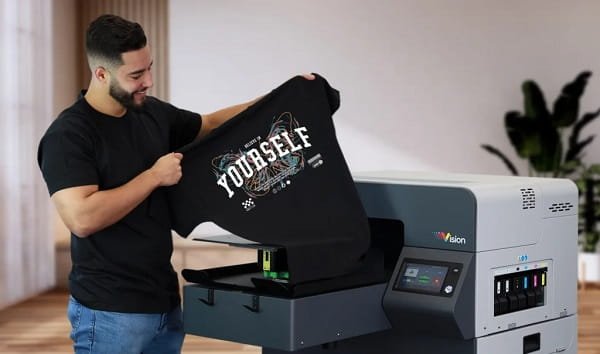
Advantages of a T-Shirt Printing Business
1. Growing Market Demand
One of the biggest advantages of a T-shirt printing business is the continuous demand for customized apparel. Businesses, educational institutions, sports organizations, influencers, and individuals regularly order personalized T-shirts.
Major customers include:
- Corporate companies
- Schools and colleges
- Sports teams
- Event organizers
- Small businesses
- Clothing brands
- Influencers and creators
- Non-profit organizations
- Online shoppers
- Fashion retailers
This diverse customer base provides year-round business opportunities.
2. Multiple Printing Methods
Entrepreneurs can choose from various printing techniques based on their budget and customer requirements, including:
- Screen printing
- Direct-to-Garment (DTG) printing
- Direct-to-Film (DTF) printing
- Heat transfer printing
- Sublimation printing
- Vinyl printing
- Embroidery for premium apparel
Offering multiple printing options allows businesses to serve different market segments.
3. High Profit Potential
Customized T-shirts often sell at premium prices because customers value personalized designs and limited-edition products. Businesses can achieve attractive profit margins by managing production costs and building a recognizable brand.
4. Low to Moderate Startup Investment
The investment required depends on the printing technology selected. Entrepreneurs can begin with basic heat press equipment and gradually upgrade to advanced commercial printing machines as demand increases.
This flexibility makes the business suitable for beginners and experienced entrepreneurs alike.
5. Multiple Revenue Streams
A T-shirt printing business can generate income through:
- Custom T-shirt printing
- Corporate uniforms
- Promotional merchandise
- Event T-shirts
- Sports jerseys
- School uniforms
- Fashion apparel
- E-commerce sales
- Wholesale production
- Private-label clothing manufacturing
Diversifying products helps increase business stability and profitability.
6. Online Selling Opportunities
E-commerce platforms, social media marketplaces, and business websites enable entrepreneurs to reach customers nationwide and internationally without operating multiple physical stores.
Online selling significantly expands market reach.
7. Scalable Business Model
Entrepreneurs can start with a small workshop and gradually expand by purchasing additional equipment, hiring staff, launching clothing collections, or supplying wholesale orders.
Business growth can occur without completely changing the operating model.
8. Creative Business Opportunities
The T-shirt printing industry encourages creativity. Businesses can launch niche collections targeting:
- Fitness enthusiasts
- Pet lovers
- Travelers
- Gamers
- Students
- Music fans
- Entrepreneurs
- Seasonal festivals
- Family events
- Corporate branding
Original designs help businesses build customer loyalty and brand recognition.
Disadvantages of a T-Shirt Printing Business
1. Strong Market Competition
The custom apparel industry is highly competitive. Numerous local printers, online stores, fashion brands, and print-on-demand businesses compete for similar customers.
Businesses must differentiate themselves through quality, creativity, and customer service.
2. Equipment Investment
Professional printing machines, heat presses, screen printing equipment, embroidery machines, and finishing tools can require a significant investment, particularly for commercial-scale production.
Equipment maintenance also adds ongoing costs.
3. Inventory Management
Unlike print-on-demand businesses, many T-shirt printing businesses keep blank T-shirts in various colors, sizes, and fabric types.
Poor inventory planning may lead to excess stock or product shortages.
4. Design Challenges
Success depends heavily on creating attractive, original, and marketable designs. Businesses using generic or copied artwork may struggle to compete or face copyright issues.
5. Seasonal Sales Variations
Demand often increases during festivals, corporate events, school reopening periods, sports tournaments, and promotional campaigns. Sales may fluctuate during slower seasons.
Diversifying products helps maintain steady revenue.
6. Quality Control Requirements
Customers expect durable prints, accurate colors, comfortable fabrics, and proper sizing. Consistent quality control is essential for maintaining customer satisfaction and repeat business.
7. Marketing Expenses
Building a successful apparel brand often requires investment in:
- Search engine optimization (SEO)
- Social media marketing
- Paid advertising
- Influencer collaborations
- Product photography
- Website development
- Brand promotion
Marketing plays a major role in customer acquisition.
8. Intellectual Property Risks
Businesses must avoid printing copyrighted logos, trademarked graphics, or protected artwork without authorization. Creating original designs or obtaining proper licenses helps reduce legal risks.
Tips for Building a Successful T-Shirt Printing Business
Success in the custom apparel industry depends on creativity, quality, and customer satisfaction. Consider these practical strategies:
- Identify a profitable niche with consistent demand.
- Invest in reliable printing equipment suitable for your business size.
- Use premium-quality fabrics and printing materials.
- Create original designs that appeal to your target audience.
- Build a professional e-commerce website.
- Optimize product pages for search engines.
- Promote products through social media and content marketing.
- Offer bulk order discounts for businesses and institutions.
- Maintain consistent print quality and fast order fulfillment.
- Collect customer feedback and regularly introduce new designs.
Is a T-Shirt Printing Business Profitable?
Yes. A T-shirt printing business can be highly profitable because personalized apparel continues to enjoy strong demand from individuals, businesses, educational institutions, and organizations. Revenue opportunities include retail sales, wholesale production, corporate branding, promotional merchandise, event apparel, school uniforms, sportswear, and online fashion collections.
Profitability depends on efficient production, high-quality printing, creative product designs, effective marketing, competitive pricing, and strong customer relationships. Businesses that establish a recognizable brand and consistently deliver quality products often achieve long-term success.
Conclusion
The T-shirt printing business remains one of the most attractive opportunities in the custom apparel industry in 2026. Growing consumer demand for personalized clothing, expanding e-commerce platforms, and advancements in printing technology continue to support market growth.
Although entrepreneurs must address challenges such as intense competition, equipment investment, inventory management, seasonal demand fluctuations, and marketing costs, the business offers numerous advantages, including multiple revenue streams, scalability, creative freedom, online selling opportunities, and strong profit potential. Entrepreneurs who focus on originality, product quality, branding, and customer satisfaction can build a profitable and sustainable T-shirt printing business.
FAQs
Q. What are the main advantages of a T-shirt printing business?
The major advantages include growing market demand, multiple printing methods, high profit potential, flexible startup investment, multiple revenue streams, online selling opportunities, business scalability, and creative branding possibilities.
Q. What are the disadvantages of a T-shirt printing business?
Common disadvantages include strong market competition, equipment investment, inventory management challenges, design requirements, seasonal sales fluctuations, quality control responsibilities, marketing expenses, and intellectual property risks.
Q. Is a T-shirt printing business profitable in 2026?
Yes. The increasing demand for customized apparel, corporate merchandise, promotional clothing, and online fashion makes the T-shirt printing business profitable when supported by quality products, effective marketing, efficient production, and strong branding.
Q. What products can a T-shirt printing business offer?
A T-shirt printing business can produce custom T-shirts, polo shirts, hoodies, sweatshirts, sports jerseys, corporate uniforms, event merchandise, school apparel, promotional clothing, tote bags, caps, and other customized textile products.
Q. What equipment is required to start a T-shirt printing business?
The equipment depends on the printing method but may include heat press machines, screen printing equipment, DTG or DTF printers, sublimation printers, vinyl cutters, embroidery machines, design software, computers, curing equipment, and packaging materials. The investment varies based on production capacity and business scale.
Q. How can a T-shirt printing business attract more customers?
Businesses can attract customers by creating unique designs, offering premium-quality printing, maintaining competitive pricing, building a professional website, optimizing product listings for search engines, promoting products through social media, partnering with businesses and schools, offering bulk discounts, encouraging customer reviews, and consistently launching new collections based on current trends.