







The scrap metal business has become one of the most profitable sectors in the recycling and waste management industry. With increasing demand for recycled metals, rising raw material costs, and growing awareness of environmental sustainability, scrap metal recycling plays a vital role in supporting manufacturing industries while reducing the need for mining natural resources. Industries such as construction, automotive, infrastructure, electronics, and manufacturing rely heavily on recycled metals for production.
In 2026, the scrap metal market continues to expand as governments and businesses focus on sustainable practices and circular economy initiatives. Entrepreneurs can build successful businesses by collecting, sorting, processing, and selling scrap metals to recycling plants and manufacturers. Whether operating as a local scrap collector or a large-scale metal recycling facility, the industry offers numerous opportunities for long-term growth.
However, like every business, the scrap metal industry has both advantages and disadvantages. Understanding these factors will help entrepreneurs make informed decisions before investing in this business.
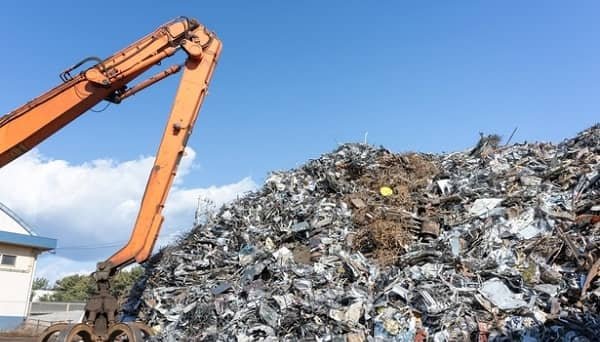
Advantages of a Scrap Metal Business
1. Growing Market Demand
One of the biggest advantages of the scrap metal business is the continuous demand for recycled metals. Manufacturing companies prefer recycled materials because they are often more cost-effective and require less energy to process than newly mined metals.
Industries that regularly purchase scrap metal include:
- Construction companies
- Automobile manufacturers
- Steel plants
- Aluminum manufacturers
- Electronics companies
- Machinery manufacturers
- Infrastructure projects
- Shipbuilding companies
This creates a steady and reliable customer base.
2. Environmentally Friendly Business
Scrap metal recycling reduces landfill waste and conserves valuable natural resources. Recycling metals also requires significantly less energy than extracting and refining new ores, helping reduce greenhouse gas emissions and environmental impact.
This makes the business an important contributor to sustainable development.
3. Multiple Types of Scrap Metals
A scrap metal business can deal with a wide variety of recyclable metals, including:
- Iron
- Steel
- Aluminum
- Copper
- Brass
- Stainless steel
- Zinc
- Lead
- Nickel
- Tin
- Cast iron
- Electric cables
- Vehicle parts
- Industrial machinery
Diversifying metal categories can improve revenue opportunities.
4. High Profit Potential
Certain metals, particularly non-ferrous metals like copper, brass, and aluminum, often have strong market value. Businesses that efficiently collect, sort, and process scrap can achieve attractive profit margins, especially when purchasing materials at competitive prices.
5. Business Scalability
Entrepreneurs can start by collecting scrap metal locally and gradually expand into larger operations that include transportation, processing, baling, shredding, and wholesale supply to recycling facilities.
Growth opportunities are available at every stage of the business.
6. Recurring Supply Sources
Many businesses generate scrap metal regularly, including:
- Construction contractors
- Manufacturing factories
- Automobile workshops
- Demolition companies
- Warehouses
- Engineering firms
- Utility companies
Establishing long-term collection agreements helps ensure a consistent supply of recyclable materials.
7. Export Opportunities
Processed scrap metal is traded internationally. Businesses that maintain quality standards and comply with export regulations may access overseas buyers, expanding their market beyond domestic customers.
8. Supports the Circular Economy
Scrap metal recycling allows valuable materials to be reused repeatedly without significant loss of quality. This supports sustainable manufacturing and reduces dependence on limited natural resources.
Disadvantages of a Scrap Metal Business
1. Fluctuating Metal Prices
One of the biggest challenges is the volatility of global metal prices. Market conditions, industrial demand, international trade, and commodity prices can all affect the value of scrap metals, influencing business profitability.
2. High Initial Investment
A commercial scrap metal business may require investment in:
- Collection vehicles
- Weighing scales
- Forklifts
- Cutting equipment
- Metal balers
- Hydraulic presses
- Storage yards
- Material handling equipment
- Safety gear
The required investment depends on the scale of operations.
3. Storage Requirements
Scrap metal occupies considerable space and should be stored safely. Businesses need organized storage yards with proper security and inventory management to prevent theft and material deterioration.
4. Labor-Intensive Operations
Collecting, sorting, loading, unloading, and processing scrap metal often require physical labor. Employee training and proper safety procedures are essential to improve efficiency and reduce workplace risks.
5. Regulatory Compliance
Scrap metal businesses must comply with local environmental regulations, business licensing requirements, workplace safety standards, waste management rules, and transportation regulations. Compliance requirements vary by location.
6. Transportation Costs
Moving heavy scrap materials requires suitable vehicles and efficient logistics. Fuel costs, vehicle maintenance, and transportation expenses can significantly affect operating costs.
7. Safety Risks
Handling heavy metal objects, cutting equipment, and industrial machinery presents safety risks. Businesses should provide protective equipment, employee training, and safe operating procedures to minimize workplace accidents.
8. Competition
The scrap metal industry is competitive, with numerous local collectors, recycling companies, and large processing facilities competing for suppliers and buyers. Building strong relationships and maintaining fair pricing are essential for long-term success.
Tips for Building a Successful Scrap Metal Business
Success in the scrap metal industry depends on operational efficiency, safety, and customer relationships. Consider these practical strategies:
- Build long-term partnerships with construction companies, factories, and demolition contractors.
- Invest in accurate weighing equipment and quality material handling systems.
- Monitor metal prices regularly to maximize profitability.
- Sort metals carefully to improve resale value.
- Maintain organized inventory and secure storage facilities.
- Follow all environmental and workplace safety regulations.
- Train employees in safe handling and equipment operation.
- Develop efficient transportation and collection routes.
- Build relationships with reliable recycling plants and industrial buyers.
- Use digital marketing and local advertising to attract suppliers and customers.
Is a Scrap Metal Business Profitable?
Yes. A scrap metal business can be highly profitable because recycled metals are in constant demand across multiple industries. Revenue comes from collecting, sorting, processing, and selling valuable metals to recycling plants and manufacturers.
Profitability depends on purchasing scrap at competitive prices, efficient sorting, effective inventory management, transportation costs, and favorable market prices. Businesses that build reliable supplier networks and maintain operational efficiency are more likely to achieve sustainable growth.
Conclusion
The scrap metal business remains one of the strongest opportunities in the recycling industry in 2026. Growing industrial demand, environmental awareness, and the increasing importance of resource conservation continue to drive the market for recycled metals.
Although the business involves challenges such as fluctuating metal prices, regulatory compliance, storage requirements, and safety management, its advantages—including steady demand, high-value materials, scalability, export opportunities, and environmental benefits—make it an attractive investment. Entrepreneurs who prioritize operational efficiency, customer relationships, and safety can build a profitable and sustainable scrap metal business.
FAQs
Q. What are the main advantages of a scrap metal business?
The major advantages include growing market demand, environmental sustainability, multiple recyclable metal categories, high profit potential, business scalability, recurring supply sources, export opportunities, and support for the circular economy.
Q. What are the disadvantages of a scrap metal business?
Common disadvantages include fluctuating metal prices, high initial investment, storage requirements, labor-intensive operations, regulatory compliance, transportation costs, workplace safety risks, and increasing competition.
Q. Is a scrap metal business profitable in 2026?
Yes. The continued demand for recycled metals from construction, manufacturing, automotive, and infrastructure industries makes scrap metal recycling a profitable business when supported by efficient operations and strong supplier relationships.
Q. What types of scrap metals can be recycled?
Common recyclable metals include iron, steel, aluminum, copper, brass, stainless steel, zinc, lead, nickel, tin, cast iron, electrical cables, vehicle components, industrial machinery, and metal fabrication waste.
Q. What equipment is required to start a scrap metal business?
Depending on the scale of operations, businesses may need collection vehicles, digital weighing scales, forklifts, metal cutting equipment, hydraulic balers, magnets, storage containers, cranes, material handling equipment, and personal protective equipment for workers.
Q. How can a scrap metal business attract more customers?
Businesses can attract customers by offering competitive purchase prices, prompt collection services, transparent weighing systems, reliable payments, excellent customer service, long-term contracts with industries, environmentally responsible recycling practices, and a strong local reputation. Consistent communication and dependable service help build long-term supplier and buyer relationships.