






The sanitary napkin manufacturing business has emerged as one of the most promising opportunities in the personal hygiene industry. Growing awareness of menstrual hygiene, increasing government initiatives, rising disposable incomes, and improved access to healthcare have significantly boosted the demand for sanitary napkins worldwide. Today, sanitary pads are considered essential hygiene products, making this business both socially impactful and commercially viable.
In 2026, the market for sanitary napkins continues to expand due to urbanization, educational campaigns, e-commerce growth, and the availability of affordable hygiene products. Manufacturers can cater to different customer segments by producing regular sanitary pads, ultra-thin pads, overnight pads, organic sanitary napkins, biodegradable products, and maternity hygiene solutions. However, like every manufacturing business, sanitary napkin production has both advantages and disadvantages.
Understanding these factors will help entrepreneurs evaluate the investment, operational requirements, and long-term growth potential before entering this industry.
Advantages of a Sanitary Napkin Manufacturing Business
1. Growing Market Demand
One of the biggest advantages of the sanitary napkin manufacturing business is its consistent and growing demand. Menstrual hygiene products are essential items purchased regularly by millions of women worldwide.
Major customers include:
- Retail stores
- Pharmacies
- Supermarkets
- Hospitals
- Schools and colleges
- Government health programs
- NGOs
- Online marketplaces
- Wholesale distributors
- Healthcare institutions
This broad customer base creates year-round business opportunities.
2. Recurring Consumer Purchases
Sanitary napkins are fast-moving consumer goods (FMCG) that require repeat purchases every month. This recurring demand helps manufacturers build a stable customer base and generate consistent revenue.
Unlike seasonal products, sanitary napkins have continuous demand throughout the year.
3. High Profit Potential
A well-managed manufacturing unit can achieve attractive profit margins through efficient production, quality assurance, and strong distribution networks. Premium products such as organic, biodegradable, fragrance-free, and extra-absorbent sanitary napkins often command higher prices.
4. Wide Product Range
Manufacturers can diversify their product portfolio by offering:
- Regular sanitary pads
- Ultra-thin sanitary pads
- Overnight sanitary pads
- Maxi pads
- Organic cotton sanitary napkins
- Biodegradable sanitary pads
- Panty liners
- Maternity pads
- Postpartum hygiene products
- Feminine hygiene kits
A broader product range allows businesses to serve different customer preferences and increase revenue.
5. Expanding E-commerce Opportunities
Consumers increasingly purchase hygiene products through online shopping platforms. Manufacturers can sell directly through:
- Brand websites
- Online marketplaces
- Subscription services
- Pharmacy websites
- Social commerce platforms
Direct-to-consumer sales help improve profit margins and strengthen customer relationships.
6. Positive Social Impact
Producing affordable sanitary napkins contributes to improved menstrual hygiene and public health. Manufacturers can also collaborate with schools, healthcare organizations, and social programs that promote menstrual hygiene awareness.
This social value strengthens brand reputation.
7. Export Opportunities
Many countries import feminine hygiene products to meet domestic demand. Businesses that maintain international quality standards can expand into export markets and diversify their revenue streams.
8. Innovation and Sustainable Product Development
The industry offers opportunities to develop environmentally friendly products, including biodegradable sanitary napkins, reusable cloth pads, plastic-free packaging, and organic cotton products. Sustainable innovations can help brands appeal to environmentally conscious consumers.
Disadvantages of a Sanitary Napkin Manufacturing Business
1. High Initial Investment
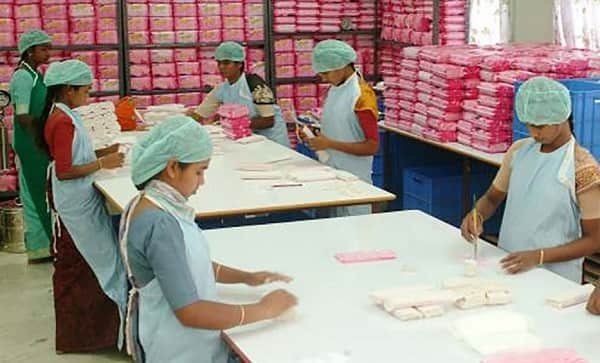
Setting up a sanitary napkin manufacturing unit requires investment in:
- Automated manufacturing machines
- Raw material handling systems
- Packaging equipment
- Quality testing equipment
- Factory infrastructure
- Storage facilities
- Power backup systems
- Waste management systems
The total investment depends on production capacity and automation.
2. Strong Market Competition
The sanitary hygiene industry includes many established national and international brands with strong distribution networks and customer loyalty. New manufacturers must differentiate themselves through product quality, innovation, pricing, or niche positioning.
3. Raw Material Price Fluctuations
The cost of nonwoven fabric, absorbent cores, adhesives, release paper, packaging materials, and other production inputs can fluctuate based on market conditions and supply chain availability.
These changes can affect manufacturing costs.
4. Strict Quality Standards
Consumers expect sanitary napkins to provide excellent absorbency, comfort, leak protection, skin safety, and reliable performance. Maintaining consistent quality is essential to building customer trust and reducing product complaints.
5. Regulatory Compliance
Manufacturers must comply with product safety standards, hygiene regulations, labeling requirements, environmental regulations, workplace safety rules, and quality management systems. Compliance requirements differ by country and region.
6. Marketing and Brand Building Costs
Launching a new sanitary napkin brand requires substantial investment in product awareness, retailer partnerships, digital marketing, educational campaigns, packaging, and promotional activities.
Building consumer confidence takes time.
7. Inventory Management
Manufacturers must carefully manage inventories of raw materials and finished products to avoid production delays, stock shortages, or excessive storage costs. Proper inventory planning improves operational efficiency.
8. Environmental Challenges
Disposable sanitary napkins contribute to solid waste generation. Manufacturers are increasingly expected to adopt biodegradable materials, recyclable packaging, and environmentally responsible production practices.
Investing in sustainable products may increase initial costs but can strengthen long-term competitiveness.
Tips for Building a Successful Sanitary Napkin Manufacturing Business
Success in this industry depends on quality, innovation, and customer trust. Consider these practical strategies:
- Invest in modern automated production machinery.
- Use high-quality, skin-friendly raw materials.
- Implement rigorous quality control procedures.
- Offer multiple sizes and absorbency levels for different customer needs.
- Develop eco-friendly and biodegradable product options.
- Build strong relationships with distributors, pharmacies, hospitals, and retailers.
- Expand through e-commerce and subscription-based sales.
- Focus on educational marketing that promotes menstrual hygiene awareness.
- Ensure compliance with all applicable product safety and manufacturing regulations.
- Continuously invest in product research and development to improve comfort, performance, and sustainability.
Is a Sanitary Napkin Manufacturing Business Profitable?
Yes. A sanitary napkin manufacturing business can be highly profitable because menstrual hygiene products are essential items with recurring consumer demand. Revenue opportunities include retail sales, institutional supply contracts, government procurement programs, private-label manufacturing, exports, and online direct-to-consumer sales.
Profitability depends on efficient production, product quality, strong distribution, effective branding, and customer trust. Manufacturers that offer innovative and reliable products are well positioned for long-term success.
Conclusion
The sanitary napkin manufacturing business remains one of the most attractive opportunities in the personal hygiene sector in 2026. Increasing awareness of menstrual health, expanding healthcare access, rising consumer demand, and growing acceptance of sustainable hygiene products continue to support industry growth.
Although the business requires significant investment, strict quality standards, regulatory compliance, and strong marketing efforts, its advantages—including recurring demand, high profit potential, multiple product categories, export opportunities, and positive social impact—make it an appealing manufacturing venture. Entrepreneurs who prioritize quality, innovation, and customer satisfaction can build a profitable and socially valuable business.
FAQs
Q. What are the main advantages of a sanitary napkin manufacturing business?
The key advantages include growing market demand, recurring consumer purchases, high profit potential, a wide product range, expanding e-commerce opportunities, positive social impact, export potential, and opportunities for sustainable product innovation.
Q. What are the disadvantages of a sanitary napkin manufacturing business?
Common disadvantages include high initial investment, strong market competition, fluctuating raw material prices, strict quality standards, regulatory compliance requirements, marketing and branding costs, inventory management challenges, and environmental concerns related to disposable products.
Q. Is a sanitary napkin manufacturing business profitable in 2026?
Yes. The steady demand for menstrual hygiene products makes this business profitable when supported by efficient production, consistent product quality, strong distribution channels, and effective branding.
Q. What products can a sanitary napkin manufacturing company produce?
Manufacturers can produce regular sanitary pads, ultra-thin pads, overnight pads, maxi pads, panty liners, maternity pads, postpartum hygiene products, organic cotton sanitary napkins, biodegradable sanitary pads, and feminine hygiene kits.
Q. What machinery is required to start a sanitary napkin manufacturing business?
Typical equipment includes sanitary napkin production machines, raw material feeding systems, sealing and cutting units, adhesive application systems, packaging machines, quality inspection equipment, air compressors, conveyors, and storage systems. The machinery required depends on the desired production capacity and level of automation.
Q. How can a sanitary napkin manufacturing business attract more customers?
Businesses can attract customers by producing high-quality and comfortable products, offering competitive pricing, developing eco-friendly options, building partnerships with pharmacies and retailers, selling through e-commerce platforms, participating in menstrual hygiene awareness programs, providing reliable customer service, and maintaining consistent product quality.