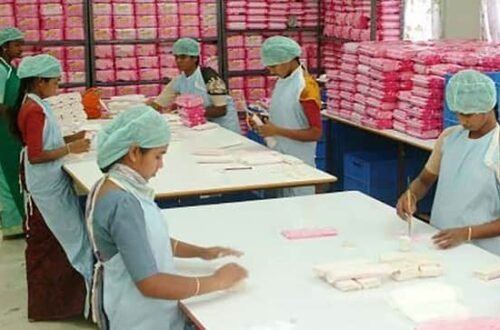







The jute bag manufacturing business has emerged as one of the most promising eco-friendly manufacturing ventures in recent years. As governments, businesses, and consumers increasingly move away from single-use plastic bags, the demand for sustainable alternatives continues to grow. Jute bags are reusable, biodegradable, durable, and environmentally friendly, making them a preferred choice for shopping, packaging, promotional events, and corporate gifting.
In 2026, the jute bag industry is experiencing significant growth due to stricter environmental regulations, rising consumer awareness, and the expansion of retail and e-commerce sectors. Entrepreneurs can manufacture a variety of jute products for domestic and international markets. With moderate investment and proper planning, a jute bag manufacturing business can become a profitable and sustainable enterprise.
However, like every manufacturing business, this industry has both advantages and disadvantages. Understanding these factors will help entrepreneurs make informed decisions before investing in equipment, raw materials, and production facilities.

Advantages of a Jute Bag Manufacturing Business
1. Growing Demand for Eco-Friendly Products
One of the biggest advantages of the jute bag manufacturing business is the increasing demand for sustainable products. Consumers, retailers, and businesses are actively replacing plastic bags with reusable alternatives due to environmental concerns and government regulations.
This trend creates a stable and expanding market for jute bags.
2. Moderate Startup Investment
Compared to many manufacturing businesses, jute bag production requires a moderate investment. Basic equipment includes:
- Cutting machines
- Stitching machines
- Printing machines (optional)
- Fabric cutting tables
- Finishing tools
- Packaging materials
Small entrepreneurs can start with manual production and gradually automate operations as demand increases.
3. Multiple Product Categories
A jute bag manufacturing business can produce various products, including:
- Shopping bags
- Grocery bags
- Promotional bags
- Gift bags
- Wine bottle bags
- Lunch bags
- Conference bags
- Fashion handbags
- Tote bags
- Drawstring bags
- Customized corporate bags
Offering different styles and sizes allows businesses to serve multiple customer segments.
4. High Profit Potential
Jute bags have relatively low production costs compared to their retail selling prices, particularly when businesses offer custom printing and premium designs. Bulk orders from retailers, exporters, corporate organizations, and event planners can generate attractive profit margins.
5. Strong Export Opportunities
Many countries encourage environmentally friendly products, creating strong international demand for jute bags. Export markets provide opportunities for manufacturers to expand beyond local sales and increase revenue.
6. Branding and Customization
Businesses, educational institutions, exhibitions, and retailers frequently order customized jute bags printed with logos, promotional messages, and branding elements. Personalized printing adds value and increases profitability.
7. Employment Generation
The jute bag manufacturing industry creates employment opportunities in stitching, printing, quality inspection, packaging, logistics, and sales. It is especially valuable for supporting small-scale industries and rural employment.
8. Scalable Business Model
Entrepreneurs can begin with a small workshop and gradually expand production by purchasing additional machines, hiring more workers, introducing automated equipment, or opening multiple manufacturing units.
Disadvantages of a Jute Bag Manufacturing Business
1. Competition in the Market
The growing popularity of eco-friendly bags has attracted many manufacturers. Businesses compete on quality, pricing, customization, delivery timelines, and product design. Building a strong brand requires continuous effort.
2. Raw Material Price Fluctuations
The cost of jute fabric may vary depending on agricultural production, weather conditions, transportation costs, and market demand. Fluctuating raw material prices can affect production costs and profitability.
3. Labor-Intensive Production
Although machines improve productivity, many stages such as stitching, quality inspection, finishing, and packaging still require skilled labor. Managing workers efficiently is important for maintaining product quality and timely deliveries.
4. Quality Control Challenges
Customers expect durable stitching, uniform sizing, neat finishing, and attractive printing. Poor quality can result in rejected orders, customer complaints, and damage to the brand’s reputation.
5. Machinery Maintenance
Cutting machines, sewing machines, printing equipment, and finishing tools require regular maintenance. Equipment breakdowns may interrupt production schedules and increase repair expenses.
6. Storage Requirements
Jute fabric and finished products should be stored in clean, dry conditions to protect them from moisture, mold, and pests. Proper warehouse management is essential to preserve product quality.
7. Marketing and Distribution Challenges
Manufacturing high-quality bags is only part of the business. Entrepreneurs must also build strong distribution networks, establish relationships with wholesalers and retailers, and invest in digital marketing to reach new customers.
8. Regulatory Compliance
Manufacturers may need to comply with local business registration requirements, tax regulations, labor laws, workplace safety standards, and product labeling rules. Businesses involved in exports must also meet destination country requirements.
Tips for Building a Successful Jute Bag Manufacturing Business
Success in the jute bag industry depends on quality, efficiency, and customer satisfaction. Consider these practical strategies:
- Source premium-quality jute fabric from trusted suppliers.
- Invest in reliable cutting and stitching equipment.
- Maintain consistent product quality and finishing.
- Offer custom logo printing and personalized designs.
- Develop strong relationships with wholesalers, retailers, and exporters.
- Sell products through e-commerce platforms and your own website.
- Focus on attractive packaging and professional branding.
- Promote the environmental benefits of reusable jute bags.
- Participate in trade fairs and exhibitions to attract bulk buyers.
- Regularly introduce new designs based on changing market trends.
Is a Jute Bag Manufacturing Business Profitable?
Yes. A jute bag manufacturing business can be highly profitable because of increasing demand for sustainable packaging and reusable shopping bags. Bulk orders from retailers, businesses, promotional agencies, and exporters provide stable revenue opportunities.
Profitability depends on efficient production, competitive pricing, product quality, effective marketing, and strong customer relationships. Manufacturers that invest in branding, customization, and export opportunities often achieve long-term success.
Conclusion
The jute bag manufacturing business remains one of the most attractive eco-friendly manufacturing opportunities in 2026. Rising environmental awareness, government initiatives to reduce plastic usage, and increasing consumer demand for sustainable products create excellent growth prospects. Moderate startup investment, product diversification, export potential, and branding opportunities make it a suitable business for aspiring entrepreneurs.
However, long-term success requires maintaining consistent quality, managing production costs, adapting to market trends, and building a reliable distribution network. With careful planning, efficient operations, and a strong commitment to sustainability, a jute bag manufacturing business can become a profitable and scalable enterprise.
FAQs
Q. What are the main advantages of a jute bag manufacturing business?
The major advantages include growing demand for eco-friendly products, moderate startup investment, high profit potential, multiple product categories, export opportunities, branding options, employment generation, and business scalability.
Q. What are the disadvantages of a jute bag manufacturing business?
Common disadvantages include market competition, fluctuating raw material prices, labor-intensive production, quality control challenges, machinery maintenance, storage requirements, marketing difficulties, and regulatory compliance.
Q. Is a jute bag manufacturing business profitable in 2026?
Yes. Growing environmental awareness and restrictions on plastic bags continue to increase demand for reusable jute bags, making the business profitable when managed efficiently.
Q. What products can a jute bag manufacturing business produce?
Manufacturers can produce shopping bags, grocery bags, tote bags, promotional bags, gift bags, conference bags, fashion handbags, lunch bags, bottle bags, drawstring bags, and customized corporate bags.
Q. What equipment is required to start a jute bag manufacturing business?
Basic equipment includes fabric cutting machines, industrial sewing machines, printing machines (optional), cutting tables, finishing tools, measuring equipment, and packaging materials.
Q. How can a jute bag manufacturing business attract more customers?
Businesses can attract customers by offering high-quality products, customized printing, competitive pricing, eco-friendly branding, timely delivery, strong online marketing, partnerships with retailers and corporate clients, and participation in trade exhibitions.